Updated
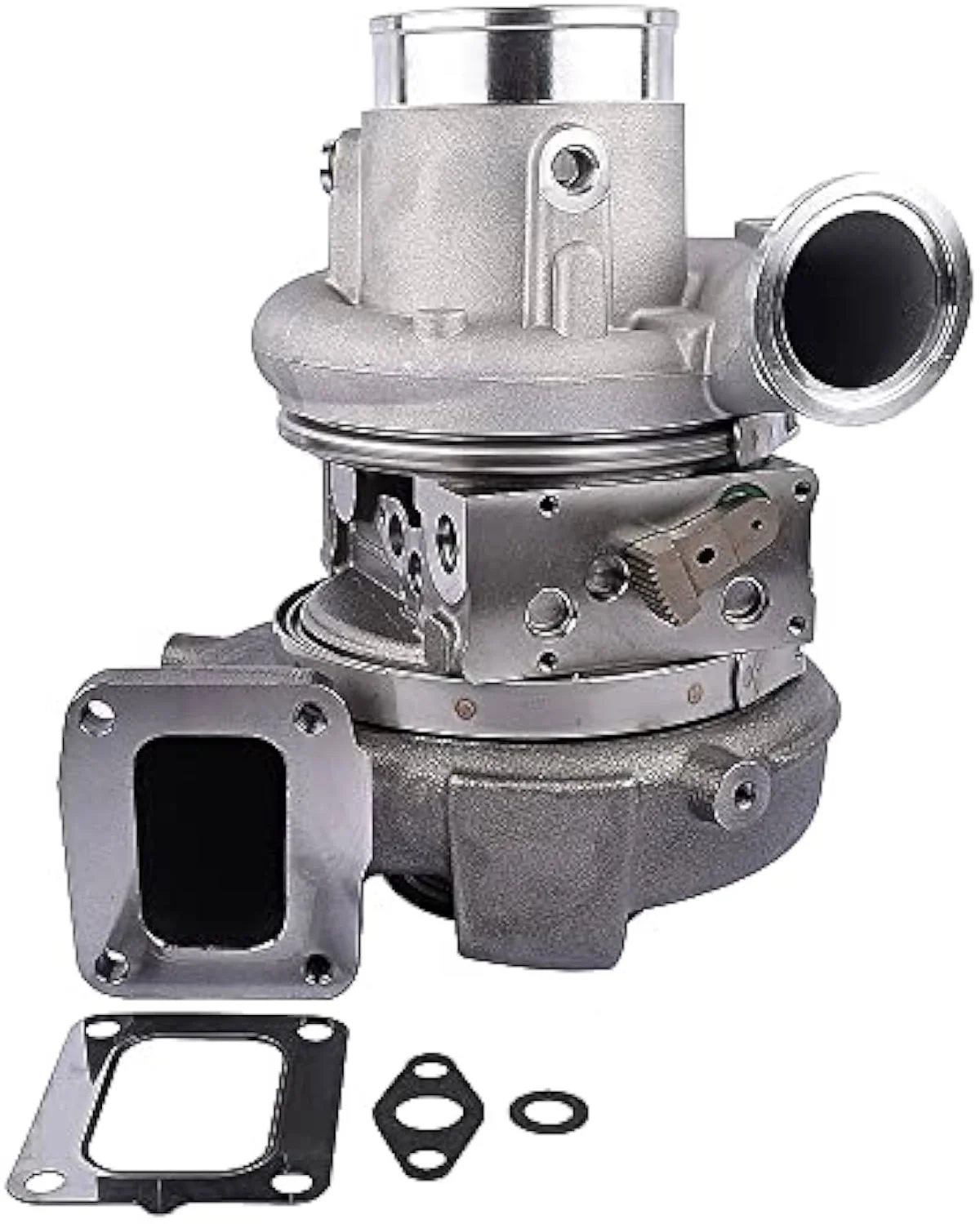
A turbo kit on a stock naturally-aspirated engine routinely adds 30-50% horsepower at safe boost levels (7-12 psi), 50-80% with supporting modifications, and 100-150% on dedicated forced-induction builds with upgraded fuel system, intake, exhaust, and ECM tuning. A 200-horsepower N/A engine typically reaches 260-300 hp on safe boost or 400-500 hp on a built application.
For the broader frame-size matching context, see the Read the high-performance turbocharger frame-matching guide — covers Garrett / Precision / BorgWarner EFR frame selection by displacement + target HP + RPM band.
What kills a turbo?
Turbo failure traces to four documented root causes: oil starvation (dry start, clogged supply line, bearing failure), excessive heat (no cool-down period after sustained-load driving, EGT above design limits), foreign object damage (compressor wheel ingestion from intake debris, turbine wheel damage from valve fragments), and overspin (boost-leak or wastegate failure driving shaft RPM beyond rated maximum).
How much does a shop charge to install a turbo kit?
Independent shop turbo-kit install labor: $1,200-$3,500 typical across US regions for a documented bolt-on kit with supporting modifications. Bolt-on OE-replacement install: $400-$900 typical. Custom-fab turbo installation on a non-turbo engine: $4,000-$12,000 depending on intercooler routing, fuel system upgrade, ECM tuning, and exhaust manifold fabrication complexity per build.
How much horsepower does the 6.7 ISB have?
Cummins 6.7L ISB stock horsepower ratings vary by chassis: 350-400 horsepower on 2007.5-2018 Ram 2500/3500 pickup (rated up to 400 hp on Aisin-equipped trucks), 305-360 hp on 2019-2025 Ram pickup, 220-360 hp on industrial / chassis-cab applications, and up to 1,000 lb-ft torque on Performance-Series ratings. Stock peak power is conservative for emissions certification headroom.
How much horsepower will a fleece turbo add to 5.9 Cummins?
A Fleece Performance Cheetah HX35 on a documented stock-bottom-end 5.9L Cummins 24-valve build reaches 500-650 horsepower at the rear wheel with supporting fuel injectors, lift pump, and ECM tuning. Stock 5.9L 24-valve makes 235-325 horsepower at the crank, so the Cheetah HX35 with supporting mods adds 200-350 horsepower at the wheel on the documented build path with appropriate supporting modifications.
How much HP does a stock turbo add over a naturally-aspirated engine?
A stock OEM turbocharger adds 35-65% more peak horsepower over the same engine architecture without forced induction. A 2.0L Honda K20 naturally-aspirated makes ~200 hp; the same block with factory K-series turbo (modern Civic Si turbo or Acura RDX K20C1) reaches 270-310 hp. The horsepower-per-liter gain scales by application and OE tuning conservatism, sitting around 35-45% on gasoline OE applications and 50-65% on diesel OE applications.
Boost Pressure vs Horsepower — The Real Relationship
Horsepower gain from a turbo kit scales with airflow, not just boost pressure. A frame that reaches 24 psi of boost while moving 65 pounds of air per minute makes the same horsepower as a different frame at 18 psi moving 65 pounds per minute. Boost pressure alone misleads buyers because the compressor map and engine displacement together determine actual airflow at a given pressure ratio.
The documented relationship: peak horsepower at the crank ≈ airflow in pounds per minute × 9-10 for gasoline applications and × 8-9 for diesel. So a turbo moving 60 lb/min of air on a tuned engine makes roughly 540-600 hp on gasoline or 480-540 hp on diesel. The frame's compressor map publishes exactly how many lb/min it moves at a given pressure ratio and shaft RPM — premium-tier brands like Garrett, BorgWarner, and Holset publish these maps; budget aftermarket frames typically do not.
Supporting Modifications That Limit or Unlock Horsepower
A bigger turbo on a stock engine produces slower spool and weaker low-end torque if supporting modifications aren't done together. Fuel injectors must flow enough volume for the extra air; the lift pump or in-tank pump must keep up; the intercooler must reject the extra heat; the exhaust manifold must flow without restricting turbine inlet; and the ECM must be tuned to match airflow data from the compressor map.
Without supporting modifications, a $1,500 aftermarket turbo on a stock engine routinely produces the same peak horsepower as the OEM unit because the bottleneck moves to fuel delivery rather than air delivery. The structural call across documented diesel and gasoline build communities: spend the same money on supporting modifications first (injectors, fuel pump, intercooler, exhaust, tuning), then upgrade the turbo last when those upstream bottlenecks are addressed.
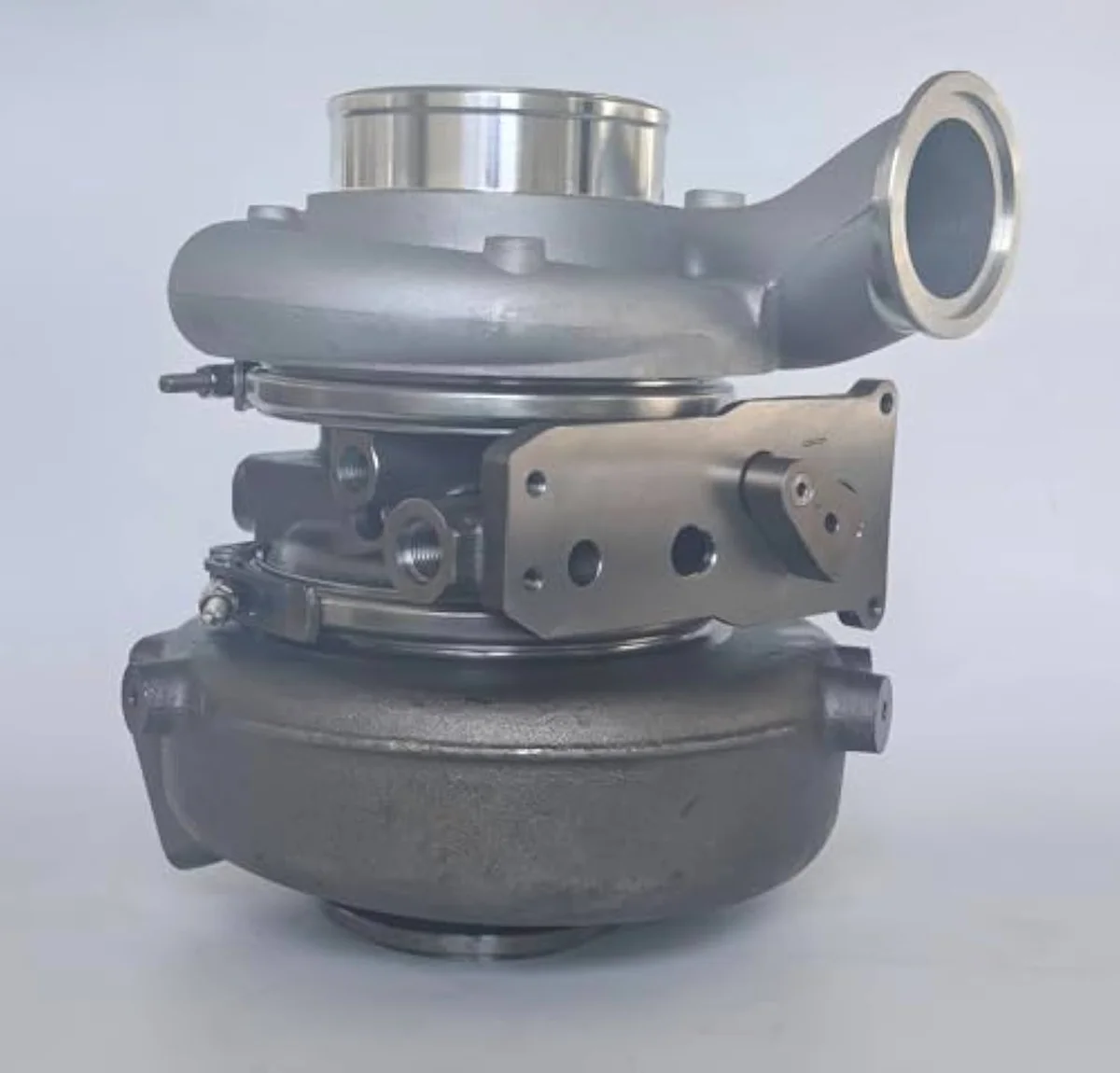
For the Cummins 5.9L Holset HX35 billet-upgrade path specifically, the billet impeller upgrade review covers the 63mm forged-machined-wheel compressor upgrade with documented dyno data. The companion premium-tier rebuild is documented in the Fleece Performance Cheetah HX35 review reaching 500-650 horsepower at the rear wheel on built applications.
Diesel vs Gasoline HP-Per-Liter Gain Patterns
Diesel turbo applications gain more horsepower per liter than gasoline because the diesel cycle runs higher cylinder pressure baseline. A 6.7L Cummins on stock turbo makes 350-400 horsepower (52-60 hp/L). A 6.7L Cummins on documented Stage 2 turbo upgrade reaches 600-800 horsepower (90-120 hp/L). A 2.0L gasoline EcoBoost makes 240-275 horsepower (120-138 hp/L) stock; the same block on documented Stage 2 reaches 350-450 hp (175-225 hp/L).
Stock OE-replacement on either platform recovers the factory HP rating without adding peak power. The documented horsepower-add path requires a frame intentionally sized for higher airflow targets than the OEM frame, plus supporting modifications. For the cross-engine context covering both diesel and gasoline aftermarket replacement picks, the cross-engine roundup covers Cummins 6.7L, Ford EcoBoost 2.0L, Cruze 1.4L, and universal-performance T3 / T4 / GT45 frames across the budget-and-premium spectrum.
Risk Bands at Each HP Increment
Stock-bottom-end build (no internal modifications) safely supports +50-100% horsepower over OE rating on gasoline applications and +50-150% on diesel applications. Stage 1 with internal modifications (forged pistons, forged rods, ARP head studs) supports +100-200% on gasoline and +200-400% on diesel. Built bottom end with stroker crank or aftermarket block supports +200-500% on gasoline and +400-1000% on diesel reaching 1,500-2,000 horsepower targets.
Pushing beyond the documented safe horsepower band per build stage routinely cracks pistons, snaps rods, blows head gaskets, or destroys the bottom end at the next aggressive run. The structural discipline across documented diesel and gasoline performance build communities: scale supporting modifications and engine internals to the horsepower target BEFORE upgrading the turbo to deliver that horsepower. Per the Wikipedia turbocharger reference, the underlying compressor map limits airflow, while engine internals limit cylinder pressure handling.
For the engineering background on the compressor-map / engine-airflow matching that determines real-world HP gain, the Garrett Motion technical library publishes the GT / GTX / G-series compressor map atlas used as the reference standard across the aftermarket performance tier. The Turbo University reference publishes industrial-tier balance-and-test discipline applicable to high-horsepower rebuilds. The Turbocharger Rebuilding Distribution catalog publishes OE manifest cross-references that anchor application-by-application frame-size selection.
Restoration vs HP-Add — Two Different Build Paths
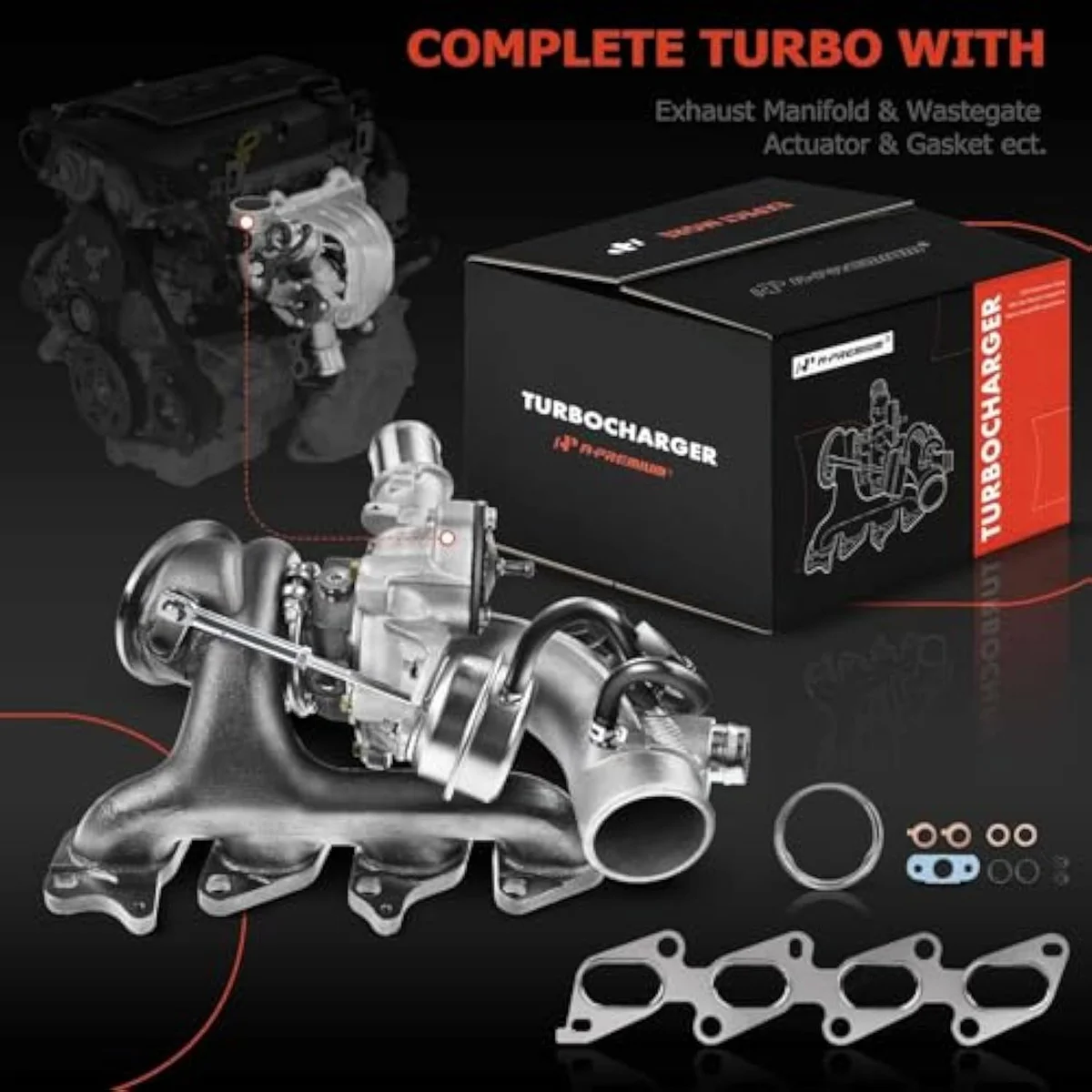
Buyers researching turbo replacement split into two distinct build paths: OE-replacement (restore factory horsepower at the lowest depreciation-adjusted spend) and HP-add (intentionally upgrade to a bigger frame with supporting modifications). The two paths share zero parts overlap because the OE-replacement targets the original compressor map while the HP-add targets a deliberately larger map sized for a higher airflow goal.
For OE-replacement on Cruze 1.4L, EcoBoost 2.0L, Sonic, Trax, and Encore daily-driver applications, the documented community-default budget aftermarket path runs $150-$350 with documented Reddit r/Cruze and r/FocusST community signal data. For HP-add on Cummins 5.9L 12-valve / 24-valve and Cummins 6.7L Ram pickup applications, the documented premium-rebuilder path runs $2,000-$4,500 with Fleece Performance, BD Diesel, Industrial Injection, and HPT brands anchoring the Stage 2 build tier with documented dyno data plus injector / fuel-system / tuning packages.
Get Product Updates
Updates only when something changes.
Only when something changes. Unsubscribe anytime.