Turbocharger Market Analysis
Updated
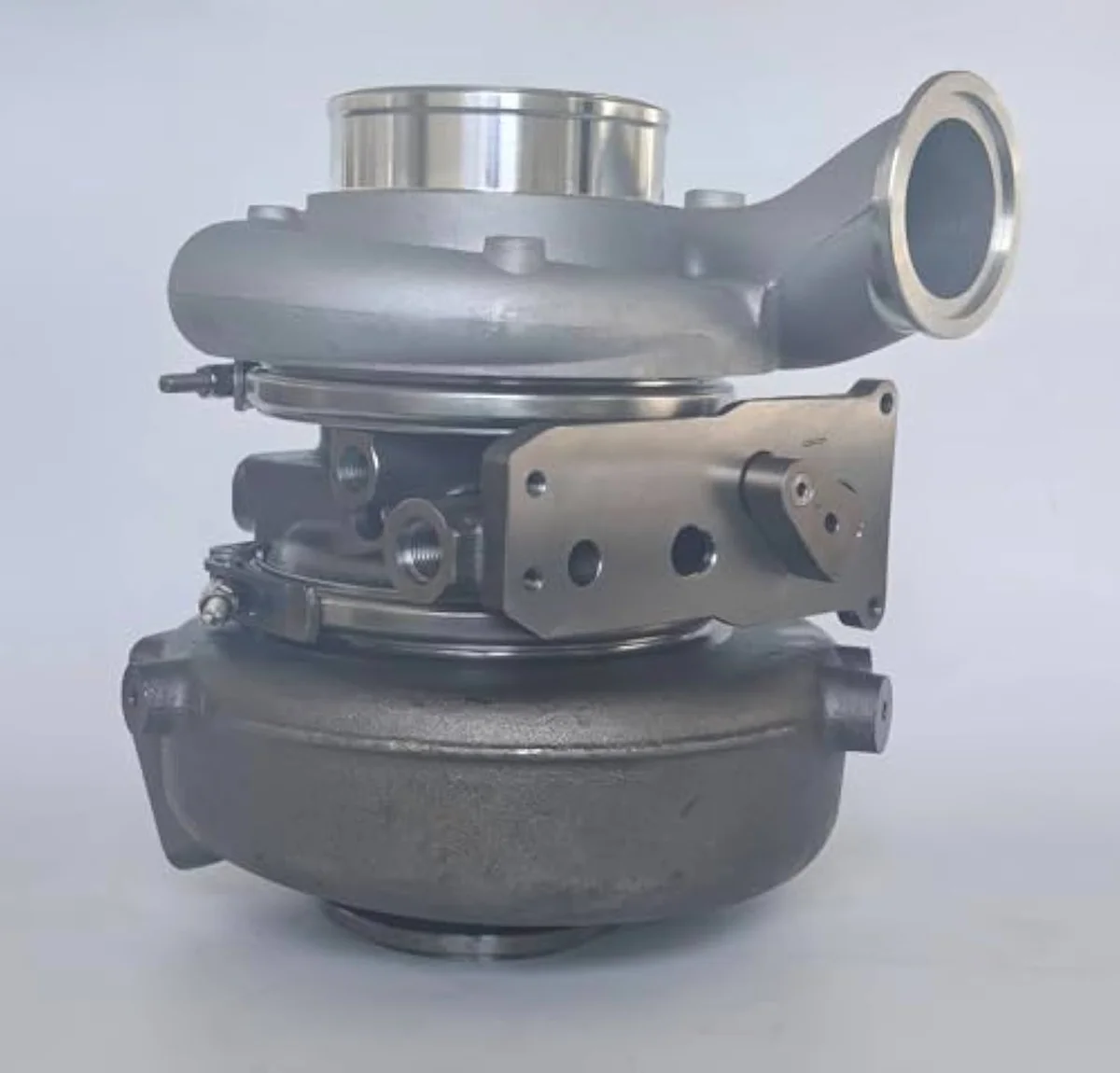
Global Turbocharger Market Size by Segment (2024)
| Segment | Annual unit volume | Market value | Dominant supplier | Architecture |
|---|---|---|---|---|
| Passenger gasoline (sub-3.0L) | ~28M units | $6.5-8.0B | BorgWarner, Garrett, IHI | Twin-scroll fixed-geometry |
| Passenger diesel (sub-3.0L) | ~12M units | $3.5-4.5B | Garrett, BorgWarner | VGT (variable-geometry) |
| Heavy-duty pickup (6.7L-7.3L) | ~750K units | $1.5-2.0B | Holset, Garrett | VGT |
| Heavy-duty commercial (Class-8) | ~450K units | $1.2-1.6B | Holset, BorgWarner | VGT + fixed-geometry |
| Industrial / generator / marine | ~280K units | $1.0-1.4B | Holset, BorgWarner, ABB | Fixed-geometry |
| Aftermarket replacement (all) | ~6.5M units | $2.5-3.5B | Mixed OE + budget aftermarket | All variants |
| Total | ~48M units | $16-19B | — | — |
The 2020-2024 window saw a marked shift in segment share: budget Chinese-import aftermarket replacements grew from roughly 8% of unit volume to 14%, driven by Amazon-marketplace listings cross-referencing OE part numbers across Cummins / Holset / Garrett families at sub-$300 price points. The growth came at the expense of mid-tier brand-name aftermarket distributors, not at the expense of OE-direct replacement. The premium US-domestic rebuilder segment held its share by re-anchoring on towing / performance use cases where the budget imports underdeliver.
OE Supplier Market Share (2024)
| Supplier | Headquarters | 2024 revenue (turbo segment) | Global OE share | Public listing |
|---|---|---|---|---|
| Garrett Motion | Plymouth, Michigan | $3.5-4.0B | ~28% | NASDAQ: GTX |
| BorgWarner (turbo segment) | Auburn Hills, Michigan | $3.0-3.5B | ~24% | NYSE: BWA |
| Holset (Cummins Turbo Tech) | Huddersfield, UK | $1.8-2.2B | ~14% | NYSE: CMI (parent) |
| IHI Corporation | Tokyo, Japan | $1.5-1.9B | ~12% | TYO: 7013 |
| Mitsubishi Heavy Industries | Tokyo, Japan | $0.9-1.2B | ~7% | TYO: 7011 |
| Honeywell legacy + others | Various | $1.5-2.0B | ~15% (combined) | NASDAQ: HON (legacy) |
Market Growth Forecast (2024-2030)
| Segment | 2024 value | 2030 forecast | CAGR | Primary growth driver |
|---|---|---|---|---|
| Passenger gasoline | $6.5-8.0B | $9.5-12.0B | +6% | Naturally-aspirated 2.0L+ → twin-scroll turbo replacement for emissions compliance |
| Passenger diesel | $3.5-4.5B | $2.5-3.5B | -3% | Diesel share decline post-emissions scandal in Europe |
| Heavy-duty pickup | $1.5-2.0B | $2.0-2.5B | +4% | Cummins 6.7L Ram + Ford 6.7L Power Stroke install base growth |
| Heavy-duty commercial | $1.2-1.6B | $1.6-2.1B | +5% | Class-8 truck demand + ESG-driven CNG/diesel hybrid retrofits |
| Industrial | $1.0-1.4B | $1.3-1.8B | +4% | Stationary diesel generator demand for data center backup power |
| Aftermarket replacement | $2.5-3.5B | $4.5-6.0B | +10% | Aging install base reaching failure thresholds + budget aftermarket proliferation |
| Electric (e-turbo) | $0.3-0.5B | $1.5-2.5B | +25% | 48V mild-hybrid architecture deployment + Mercedes/AMG/Audi production rollout |
| Total combined | $16-19B | $23-29B | +5-7% | Mixed driver across segments |
Market Evolution Timeline
- 2000-2005: Global turbo market sub-$5B. Passenger turbo penetration under 15%. VGT confined to European diesel.
- 2007.5: Cummins 6.7L Ram pickup launches with Holset HE351VE — first US heavy-duty pickup VGT application drives long-term aftermarket demand.
- 2008-2012: Ford EcoBoost lineup launches across passenger gasoline. BorgWarner K03 / K04 OEM share grows; passenger gasoline turbo penetration crosses 25%.
- 2015-2018: Diesel emissions scandal. European passenger diesel share collapses; turbocharger market shifts to passenger gasoline + heavy-duty pickup.
- 2018: Honeywell spins out Garrett Motion as standalone company (NASDAQ: GTX).
- 2020-2024: Global market crosses $15B. Aftermarket replacement segment grows fastest as 2010-2015 install base reaches failure-mileage thresholds.
- 2024-2030 (forecast): Passenger gasoline turbo growth continues. Aftermarket replacement segment grows fastest at +10% CAGR. E-turbo deployment scales from $0.5B to $2.5B.
Segment Trajectory Analysis
- Passenger gasoline
- Passenger gasoline is the largest segment by both unit volume and dollar value. The structural growth driver is naturally-aspirated 2.0L+ engine replacement with smaller-displacement turbo engines for emissions compliance. Per MarketsandMarkets, US passenger gasoline turbo penetration grew from 18% (2010) to 47% (2024). Forecast 6% CAGR through 2030.
- Passenger diesel
- Passenger diesel is the only segment forecasting negative growth. The European diesel share collapse (55% → under 20% from 2011 to 2024) drives the contraction per IndustryARC. Forecast -3% CAGR through 2030. The aftermarket replacement subsegment continues growing as the existing install base ages.
- Heavy-duty pickup
- Heavy-duty pickup is a stable mid-size segment driven by Cummins 6.7L Ram, Ford 6.7L Power Stroke, and Duramax L5P sustained sales. Per the Cummins annual report, the segment ships ~750,000 units/year with VGT architecture from Holset and Garrett. Forecast 4% CAGR.
- Heavy-duty commercial
- Heavy-duty commercial is the Class-8 truck segment plus chassis-cab applications. Demand follows freight-tonnage growth and ESG-driven CNG/diesel hybrid retrofit programs. Forecast 5% CAGR through 2030 with Holset and BorgWarner anchoring supply share.
- Aftermarket replacement
- Aftermarket replacement is the fastest-growing major segment at 10% CAGR. The structural driver is the 2010-2015 OEM install base reaching documented failure-mileage thresholds (Cruze 1.4L 80,000-130,000 mi, EcoBoost 2.0L 100,000-150,000 mi, Cummins 6.7L 100,000-180,000 mi). Per Market Research Future, the segment grew from $3.2B (2018) to $5.8B (2024).
- Electric turbo (e-turbo)
- Electric turbo is the highest-CAGR segment at +25% but starts from a small base. The structural enabler is 48V mild-hybrid electrical architecture (now standard across Mercedes, BMW, Audi, Volvo). Garrett and BorgWarner roadmaps target mass deployment by 2028-2030.
Aftermarket Dynamics
- Premium-tier rebuilders
- Premium-tier rebuilders are companies like Fleece Performance, BD Diesel, Industrial Injection, and HPT that rebuild OEM turbochargers with premium components (billet compressor wheels, ceramic ball bearings, balanced shafts). Premium aftermarket pricing runs $2,000-$5,500 per unit and targets owner-operator pickup and built-engine performance applications.
- OEM-direct aftermarket
- OEM-direct aftermarket is the channel where OE suppliers (Garrett, Holset, BorgWarner) sell rebuilt or new units through authorized distributors at premium pricing. Pricing typically $1,500-$3,500 per unit with documented warranty terms matching factory OE.
- Budget aftermarket cross-references
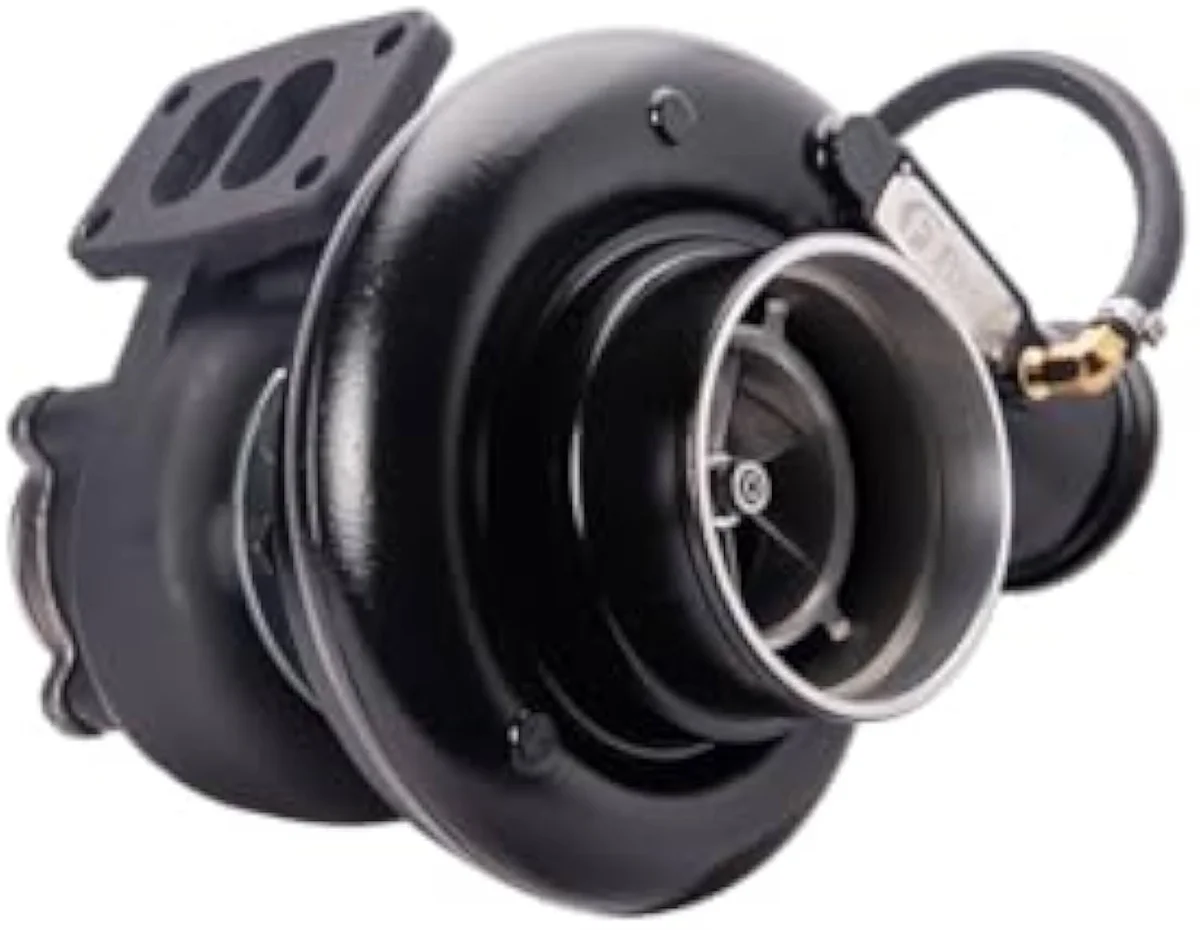
- Budget aftermarket cross-references are Chinese-import brands (A-Premium, INGKAN, Filterup, AUTOBABA, Donpida, NEWZQ, Tekkoauto, WOLLAHS) targeting OE-replacement work at one-tenth dealer pricing. Pricing runs $150-$500 per unit. The segment grew fastest in the 2020-2024 window driven by Amazon distribution and the documented dealer-vs-aftermarket arbitrage opportunity.
- Public market signal
- Public market valuation of the three primary OE suppliers (Garrett, BorgWarner, Cummins) tracks the broader market. Per Yahoo Finance, combined market cap of GTX + BWA + CMI exceeded $30B in 2024 with revenue mixes weighted across turbo + non-turbo product lines.
Cross-attribution from Global Market Insights, Grand View Research, and SAE International technical paper analysis shows the consensus 2024-2030 outlook splits into three structural narratives: passenger gasoline twin-scroll continues growing through 2028 then faces electrification headwinds; aftermarket replacement grows fastest through 2030 driven by aging install base; e-turbo represents the highest-growth subsegment but from a small base. The Wikipedia turbocharger reference documents the architectural taxonomy underlying these segment forecasts.