Updated
The Four Repair Paths — Decision Tree
Every turbo repair starts with the same question: which stage of the failure tree does the symptom match? Misdiagnosing one stage higher costs $800-$1,400 in unnecessary parts. Misdiagnosing one stage lower puts the truck back in the shop in three weeks when the deeper failure surfaces.
For a primer on turbocharger architecture and the six structural components every variant shares, the turbocharger overview covers the energy-flow model the four-stage repair tree applies to. The Cummins community language consistently routes the decision tree through four stages on the 6.7L HE351VE / HE300VG variable-geometry frame. Stage 1: clean. The most common diagnostic-trouble code on a 6.7L Cummins Ram pickup is P003A — variable-geometry turbocharger boost-control position exceeds learning limits. When the Engine Control Module commands the actuator to sweep the nozzle ring through its full range and the actuator meets resistance from carbon binding rather than internal failure, the code throws. A stationary regen or manual exhaust-brake clean clears the soot load and the code resolves without parts. Cost: zero to one diagnostic-cleaner can ($30) plus shop time if you outsource the regen ($120-$150).
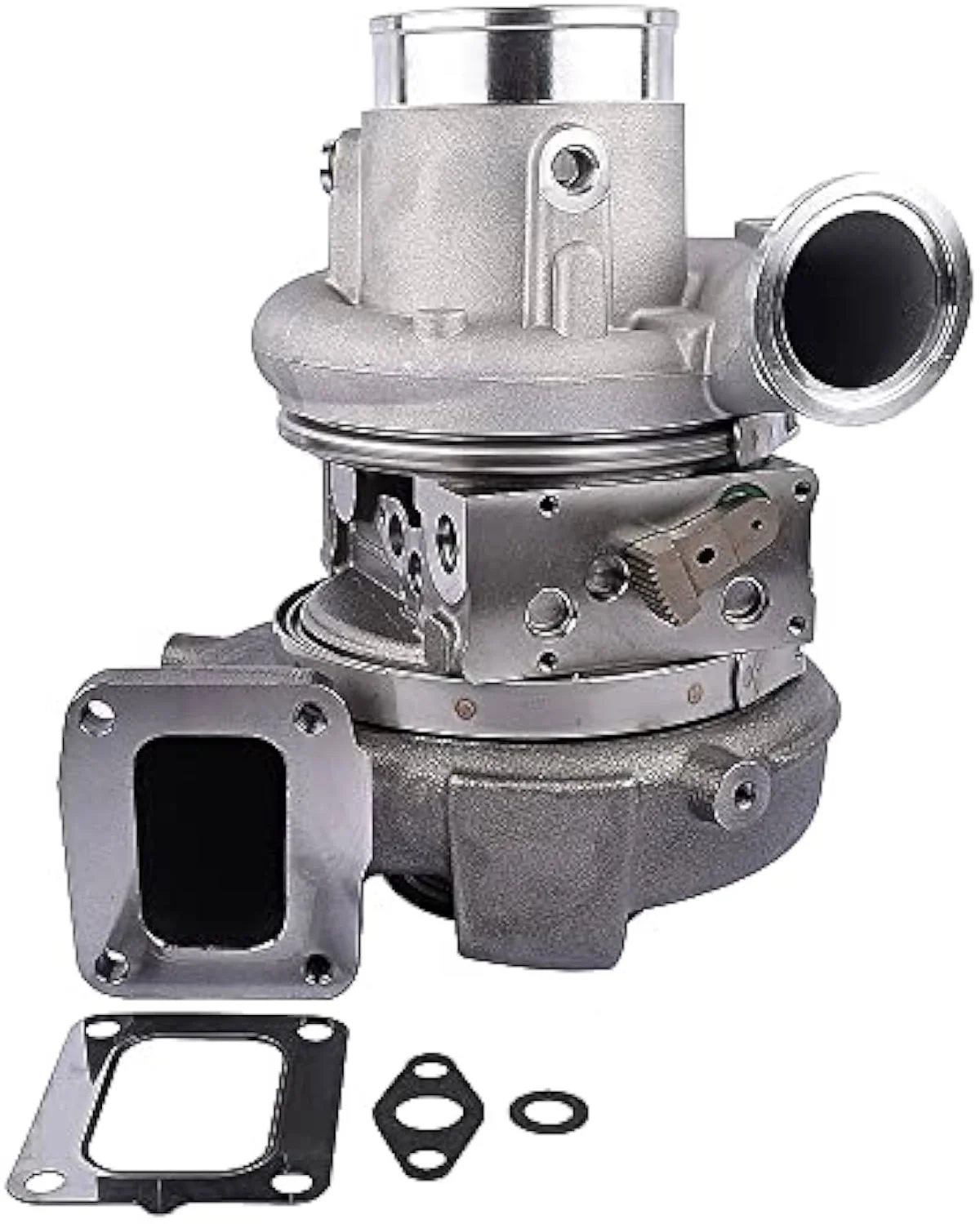
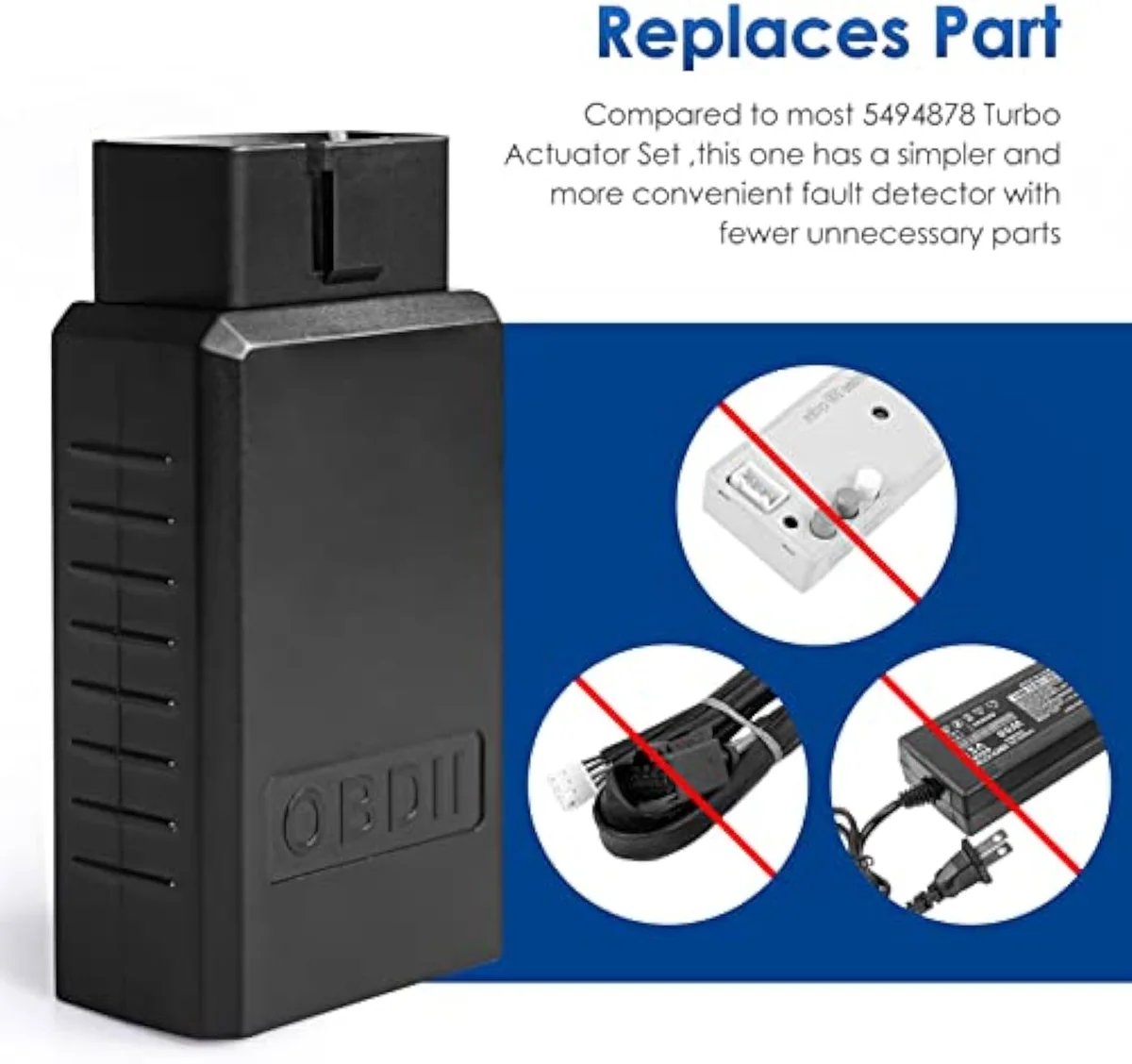
Stage 2: actuator only. The sector gear moves freely (test by manually rotating it with the actuator unbolted), but the actuator board itself failed. The internal electronics on the Cummins HE351VE actuator carry a known failure rate at the 150,000-mile mark per the r/Cummins archive. The WOLLAHS 5494878RX 6.7 Cummins Turbo Actuator or B.ZSSY upgrade actuator drops in for $200-$400; install is 90 minutes; calibration via AlfaOBD (2013-2017 chassis include the calibration module; 2019+ chassis need the workaround). Total: $300-$600 all-in.
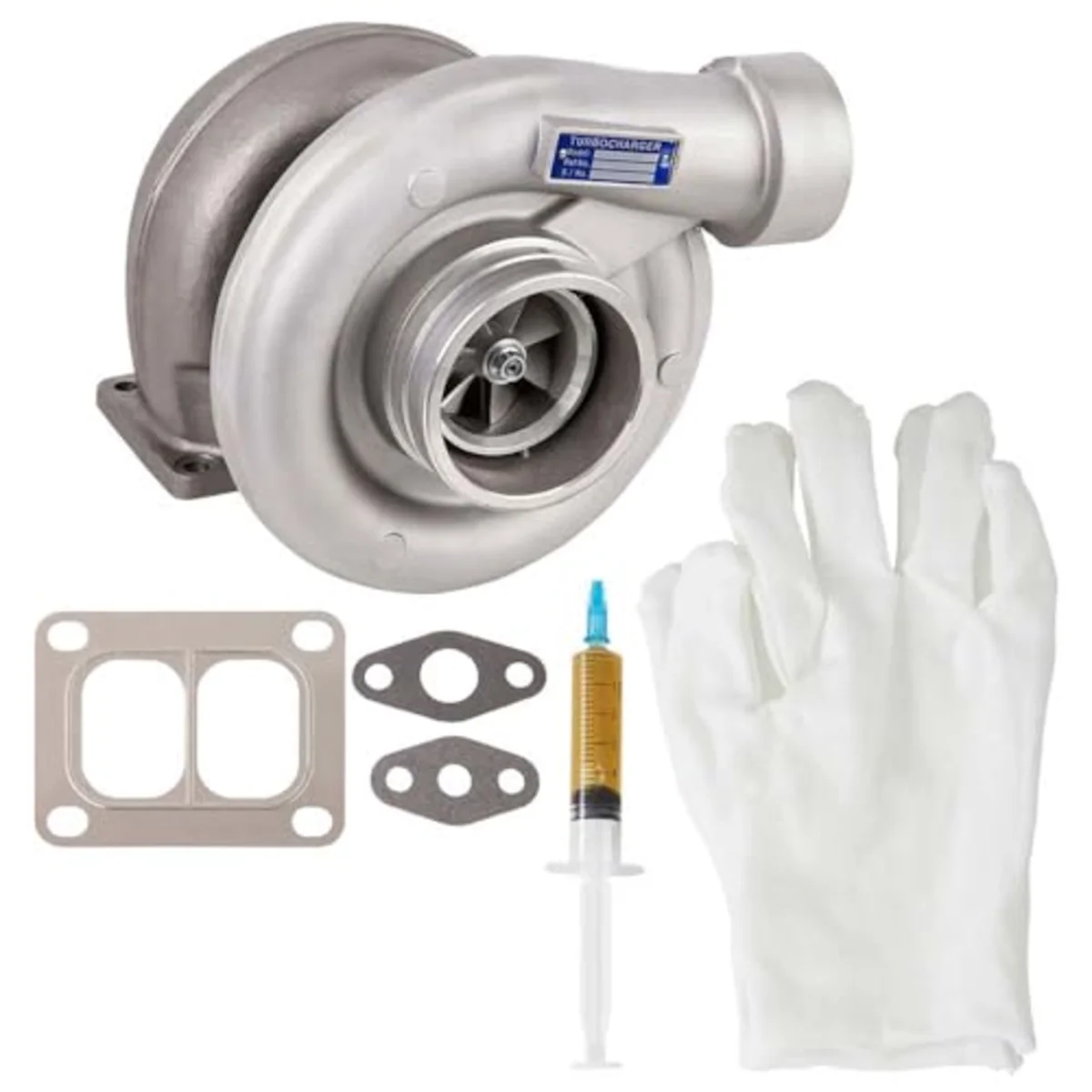
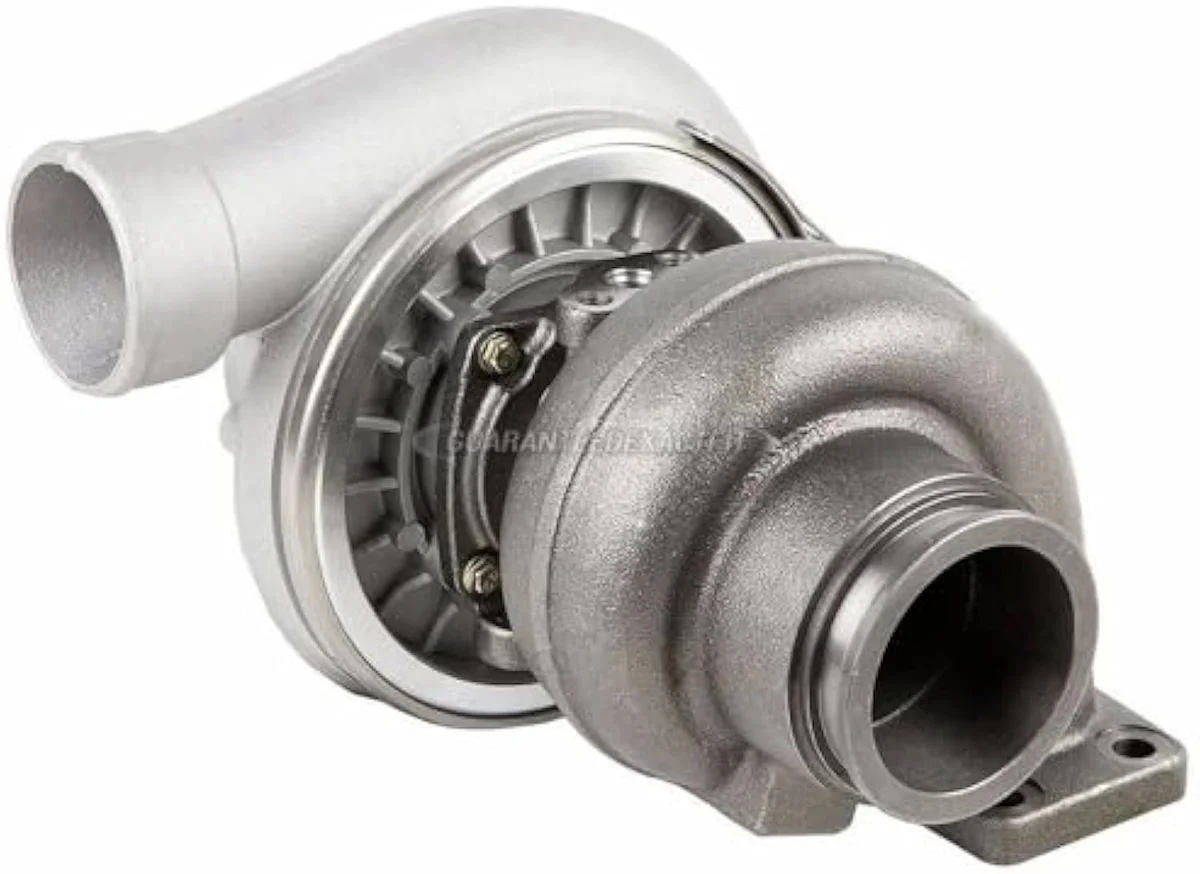
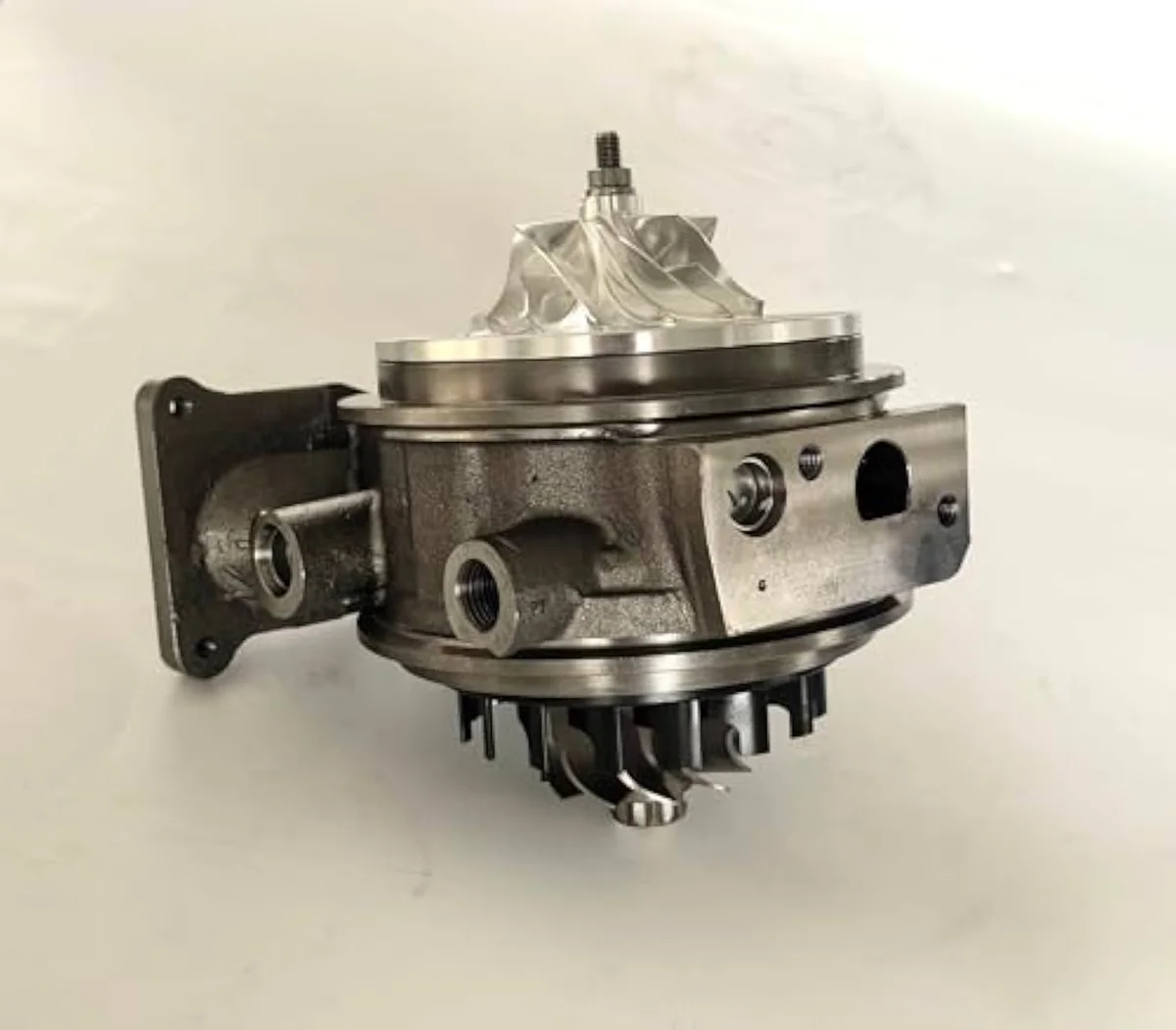
Stage 3: cartridge replacement. Radial or axial shaft play exceeds spec (0.012-0.020 inches radial, 0.003-0.006 inches axial for journal-bearing turbos). The hot-side and cold-side housings are intact (no cracks, no impeller strikes, no foreign-object damage). A cartridge CHRA from the same HE351VE family drops into the existing housings for $600-$900; the housings are reused, which preserves the OE turbine-housing A/R ratio. Plan a 4-hour DIY install or 2-3 hours of shop labor.
"Buy the ebay turbo for the housing and get a quality compressor rebuild kit." — r/cars, on the forum-knowledge optimization that turns a junkyard Holset HX35 plus a balanced reman cartridge into a Stage 3 path on tight budgets.
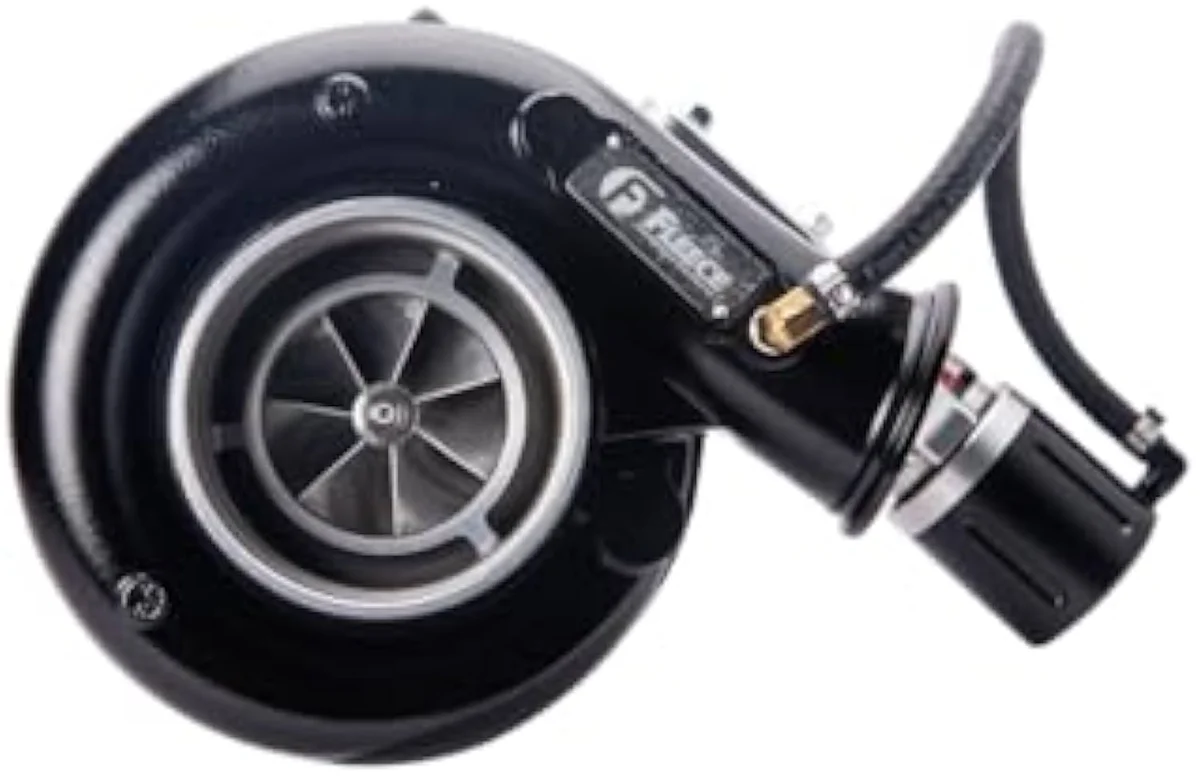
Stage 4: complete replacement. The housings are cracked, the compressor wheel was hit by foreign-object ingestion (loose intercooler boot, missing air filter), or the bearing housing is past rebuildable spec. The catastrophic failure mode runs $1,200-$3,000 for the part across the Cummins 6.7L lane (BD Diesel, Fleece Performance Cheetah, ASDPI, BuyAutoParts) and $1,500-$4,000 on heavy-duty Volvo D12 Class-8 chassis. Independent shop labor adds $300-$600. The total is still under half the dealer quote on every chassis we tracked.
Cost Bands at a Glance
Every stage of the decision tree carries a documented cost band that buyers can verify against their own dealer quote. The arbitrage between dealer-quote and aftermarket-replacement is the structural reason the niche exists. Walk the bands top to bottom before committing.
The dealer-quote baseline runs $1,800-$2,400 on passenger-car turbos (Cruze 1.4L, Ford EcoBoost 2.0L) and $2,800-$5,500 on Cummins 6.7L Ram pickup applications. Volvo D12 Class-8 sleeper trucks land at $4,000-$8,000 OEM-dealer. Compare that to: Stage 1 clean ($0-$150), Stage 2 actuator ($200-$700), Stage 3 cartridge ($600-$1,500 with reman labor included), Stage 4 complete aftermarket ($150-$3,000 depending on chassis). Even Stage 4 catastrophic-failure aftermarket lands at 30-60% of the dealer estimate on the same OE part number.
The savings come with a warranty trade. Dealer-quote part carries the manufacturer warranty (3-5 years on Ford EcoBoost, 5 years/100,000 miles on Cummins 6.7L Ram). Aftermarket typically lists 12-month unlimited-mileage on BuyAutoParts inventory and 1-3 years on rebuilder-tier specialty units (BD Diesel, Industrial Injection, KC Turbos). The break-even math: if the aftermarket part lasts longer than 12 months, the savings against the dealer quote dominate the warranty-coverage delta on every chassis we tracked. Run the same math against your specific dealer quote in the turbo replacement cost lookup tool.
For the engineering background behind the four-stage decision tree, the Turbocharger reference covers compressor-turbine architecture every stage applies to. The Turbo University Turbocharger reference publishes OE cross-reference manifests for the Holset HE351VE / HE300VG / HX35 / HX52 families across each documented decision-tree stage. The Understanding Turbochargers Guide covers the rebuilder-tier diagnostic protocol mid-tier shops apply before quoting a stage-3 cartridge swap or stage-4 complete replacement. The Turbocharger Rebuilding Distribution catalog covers the OE manifest network the industrial-supply tier cross-references for fleet-procurement decisions.
DIY vs Shop — Tooling and Discipline
The DIY path opens once three tooling boxes are checked. A torque wrench that reads down to 35 in-lbs for thrust-bearing assembly. A dial indicator capable of measuring 0.0001 inches for shaft-play verification. Access to a balancing service for the cartridge (a local turbo shop with a Schenck or VSR-class balancer, $80-$150 per cartridge). Without all three, the DIY path is a coin-flip on warranty-grade reassembly.
The community position on the cheapest tier is unforgiving. Diesel-community owners on r/Diesel describe sub-$300 Amazon Cummins turbos as "fucking junk" and route buyers to either an OE Holset rebuilder cartridge or a Spoologic stock-replacement Stage 1 unit instead. The signal: avoid the cheapest-third price band when shaft balance and bearing-tolerance data is not documented. That is where the counterfeit-Holset risk lives — a Holset/Cummins Turbo Tech employee on r/Diesel warned that genuine Chinese-assembled units differ from counterfeits, which are not burst-tested. The shorthand: if a "new" turbo costs one-third of the Cummins distributor price and the seller refuses to take a core back, the part is likely counterfeit.
Switching from a Stage 4 complete replacement to a Stage 3 cartridge swap also shifts the labor risk. The complete unit drops in with the OE manifold and downpipe attachment intact. The cartridge swap requires pulling the existing turbo, separating hot and cold housings (six bolts on the HE351VE, careful clocking on reassembly), removing the old CHRA, dropping in the new CHRA at the correct V-band clocking position, and reattaching housings with the original studs. A first-timer takes 6-9 hours. An experienced DIYer takes 3-4. Independent shop labor: 2-3 hours at $90-$120/hr.
Brand-Tier Reliability — Where the Money Goes
The brand-tier map for turbo repair runs across four documented bands. OE-spec at the top (Garrett, BorgWarner, Holset / Cummins Turbo Technologies). These ship with documented balance certificates, factory burst-test data, and 12-36 month manufacturer warranties. Mid-tier rebuilder-grade in the second band (BD Diesel, Industrial Injection, Fleece Performance, KC Turbos, ATS Diesel Performance). Documented institutional QC, written warranties, and field-experience archives on diesel-forum.com / cumminsforum.com going back a decade. Budget-tier aftermarket Amazon in the third band (A-Premium, Autobaba, BuyAutoParts, Filterup, Ingkan, Tekkoauto, ASDPI). ISO/TS 16949 manufacturing claims, 12-month unlimited-mileage warranties on most BuyAutoParts inventory, mixed verified-buyer review pools. Cheapest-third counterfeit-risk band at the bottom (no-name eBay listings, sub-$300 Cummins turbos that diesel community owners consistently flag).
The right tier depends on the application. A passenger-car Cruze 1.4L daily driver running 60,000 miles per year tolerates a $200 A-Premium turbo with a 12-month warranty — the cumulative risk-adjusted cost beats the $2,400 dealer quote. A commercial Class-8 Volvo D12 sleeper running 100,000+ miles per year on a tight delivery schedule does not tolerate the same risk profile; the rebuilder-tier or OE path wins on downtime economics alone.
Cross-shop the rebuilder-tier alternatives in the turbocharger roundup before committing to the budget band. The roundup picks anchor the documented mid-tier on every chassis lane (Cummins 6.7L, Ford EcoBoost 2.0L, Cruze 1.4L, universal performance). For the actuator-vs-cartridge-vs-complete decision on Cummins 6.7L specifically, the BuyAutoParts cross-engine comparison covers the supplier-audit framework that fleet operators apply across mixed engine inventories. The turbocharger versus supercharger comparison covers the upstream architectural decision for builders considering forced-induction systems from scratch.
When to Walk Away From Repair
Three signals route the repair-or-replace decision toward replacement, even when the failure looks superficial. First: combined housing damage. A cracked exhaust housing plus a damaged compressor wheel means the cartridge is downstream of two component failures; the cumulative repair cost approaches the complete-replacement cost. Second: shaft seizure or hub strike. Catastrophic bearing failure damages both the shaft seal and the housing-side cooling jacket; rebuilding the cartridge without addressing the cooling-jacket scoring brings the failure back in 6,000 miles. Third: foreign-object ingestion past the compressor wheel. A torn intercooler boot or missing air filter lets abrasive grit hit the impeller at supersonic tip speeds; the impeller can be replaced but the abrasive damage extends to the intake manifold, the intercooler, and the cylinder heads. The repair is no longer just the turbo.
Walk away from repair entirely when the vehicle itself is past its useful life. A 280,000-mile Cruze 1.4L with a failed turbo and a noisy timing chain is past its repair envelope; the next failure surfaces before the turbo investment pays off. A 350,000-mile Cummins 6.7L Ram pickup with a turbo failure and DPF saturation is in the same band — the cumulative repair list dominates the truck's market value.
Turbo Repair Decision Questions
- Is it worth repairing a turbo?
- Yes for high-mileage daily drivers under 200,000 miles when the failure is localized (actuator only, or a single cartridge bearing). A rebuild kit plus balancing runs $160-$400 in parts; a reman cartridge runs $600-$900; a complete OE-spec replacement runs $1,200-$3,000. The dealer quote is typically $1,800-$3,300 across passenger-car applications (Cruze 1.4L, Ford EcoBoost 2.0L) and $2,800-$5,500 on heavy-duty Cummins 6.7L Ram pickup applications. Repair makes sense when the savings against the dealer quote exceeds the risk-adjusted failure cost. Above 250,000 miles, the engine itself becomes the limiting factor — repairing the turbo and watching the rod bearings fail two months later is a worse outcome than scrapping the vehicle.
- Is it cheaper to repair or replace a turbocharger?
- Almost always cheaper to repair when the failure is localized. A pure actuator failure on a Cummins 6.7L Ram (P003A code, mechanical side of the turbo intact) clears for $200-$400 in parts plus 90 minutes of shop labor. A complete-turbo replacement on the same chassis runs $1,200-$1,800 for the part and a 4-6 hour install. The diagnostic step matters — replacing a complete turbo when only the actuator failed wastes $800-$1,400. Replacement makes sense when the failure is catastrophic (impeller strike, housing crack, shaft seizure) or when bearing play is past spec on a turbo with >200,000 miles on it.
- Can you rebuild a turbocharger yourself?
- Yes, with three pieces of tooling. A dial indicator that reads to 0.0001 inches for shaft-play measurement, a torque wrench that reads down to 35 in-lbs for thrust-bearing assembly, and access to a balancing service (Schenck or VSR-class balancer at a local turbo shop, $80-$150 per cartridge). The center housing rotating assembly (CHRA) is the rebuildable core — kits run $80-$250 depending on bearing type (journal vs ball-bearing). What kills DIY rebuilds is the balancing step. An unbalanced shaft spinning at 180,000 RPM drops a hub in under 200 miles. Skip the home-shop balance attempt and pay the shop fee. Hot-side and cold-side housings rarely fail; rebuild the CHRA and reuse the housings.
- Are turbo rebuild kits worth it?
- Worth it when the housings are intact and you have the tooling. A Garrett or Holset OE rebuild kit ($150-$250) plus a $100 balance fee delivers an effectively new cartridge for under $400. The same cartridge swap from a parts house lands at $700-$1,800. The math tips toward DIY when you already own the tools and the truck is worth more than the cumulative repair risk. The math tips toward a reman cartridge from a documented rebuilder (Riffraff Diesel, Stainless Diesel, KC Turbos) when you do not own the tools or the truck is paying for itself in commercial duty.
- How to tell if a turbocharger is failing?
- Three diagnostic checks. Listen for a metallic rattle at decel — that means hub-to-housing contact, a sign of catastrophic bearing wear. Pull the cold-side intake boot and check shaft play with a finger; up-down movement should be barely perceptible, side-to-side should be zero. Check the downpipe for engine oil; a wet, oily downpipe with blue smoke under boost means the turbine-side oil seal failed. An OBD-II scanner pulling P0299 (under-boost), P0234 (overboost), or P003A (Cummins VGT actuator out of learning range) confirms a code-side diagnosis. None of these are conclusive alone — combine the symptom set before pulling the turbo.
- How long do turbochargers last?
- Factory-spec on a maintained passenger-car turbo: 120,000-180,000 miles. Cruze 1.4L EcoTurbo lifespan averages 80,000-130,000 miles because of the PCV-failure root cause that lets oil into the intake stream and eats the compressor wheel. Ford EcoBoost 2.0L variants typically reach 130,000-180,000 miles. Cummins 6.7L HE351VE / HE300VG variable-geometry turbos last 150,000-250,000 miles, with the actuator becoming the first failure point around the 200,000-mile mark per the Genos Garage community recommendation. Heavy-duty industrial Cummins 6BT HX35 frames routinely cross 300,000-500,000 miles when oil-change discipline is maintained.
- What kills a turbocharger?
- Three failure modes account for 80% of premature deaths. Oil starvation — driving away the moment the engine starts before the oil pump primes the turbo bearings, repeated over thousands of cold starts. Hot shutdown — killing the engine immediately after high-load operation, leaving the turbo spinning at 100,000+ RPM with no oil flow as it coasts down on residual heat. Foreign-object ingestion — a torn intercooler boot, missing air filter, or aftermarket intake without a filter, letting abrasive grit hit the compressor wheel at supersonic tip speeds. All three are operator-side failures, which is why warranty claims on aftermarket replacements often deny under the install-discipline clause.
Get Product Updates
Updates only when something changes.
Only when something changes. Unsubscribe anytime.