Updated
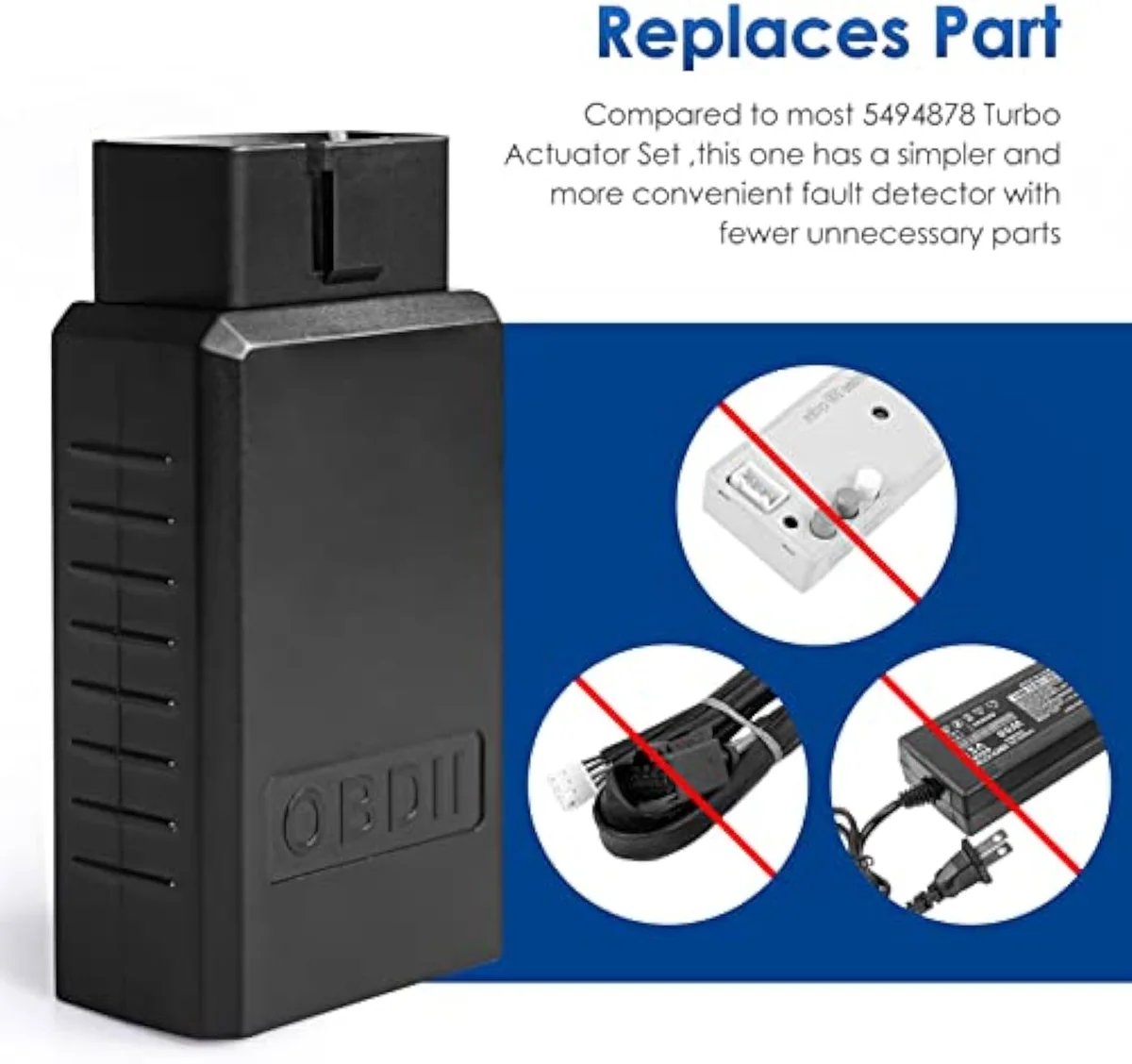
Replacing a turbo actuator on a 6.7 Cummins typically costs $200-$700 for the actuator unit plus 1-2 hours of install labor at $120-$180 per hour shop rate. Total: $350-$900 versus $1,500-$2,500 for a complete turbo replacement. The actuator-only repair path addresses the dominant Cummins 6.7L failure mode without requiring complete turbo replacement when the mechanical side stays intact.
For the broader four-stage repair decision context, see the Read the four-stage repair decision guide — covers Clean / Actuator / Cartridge / Complete cost bands per chassis lane.
Does Cummins make turbos?
Not directly — Cummins Inc. owns Holset Engineering Co. (rebranded internally as Cummins Turbo Technologies in 2006), which designs and manufactures the turbocharger applications on Cummins engines. The Holset name continues across product labeling and aftermarket distribution channels worldwide.
Does Cummins own Holset turbo?
Yes — Holset Engineering Co. is a wholly-owned subsidiary of Cummins Inc. (NYSE: CMI) since the 1973 acquisition. The brand was rebranded internally to Cummins Turbo Technologies (CTT) in 2006 but the Holset name continues across the catalog. Holset focuses exclusively on Cummins applications plus selected heavy-duty diesel partners.
What turbo does Cummins use?
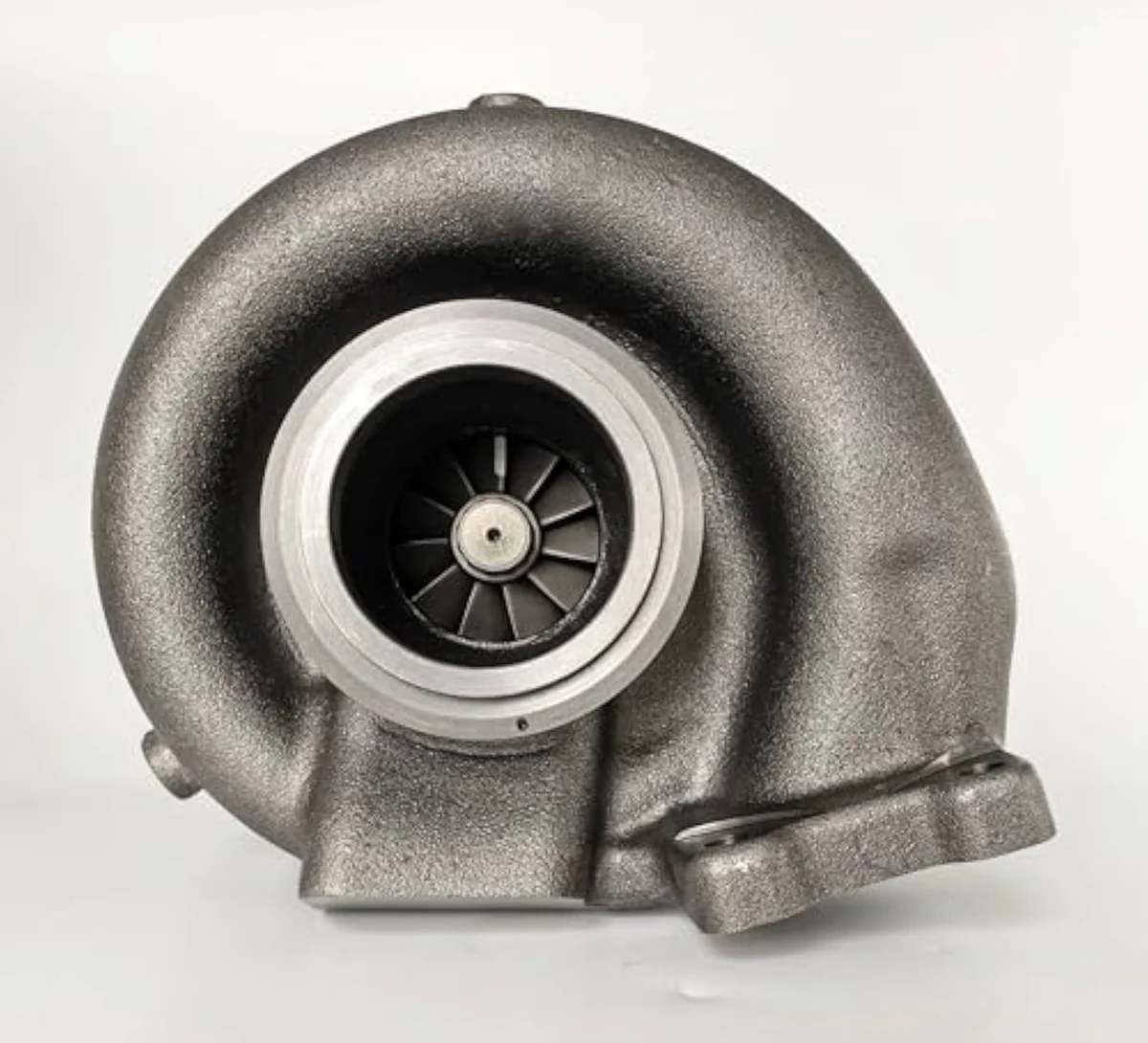
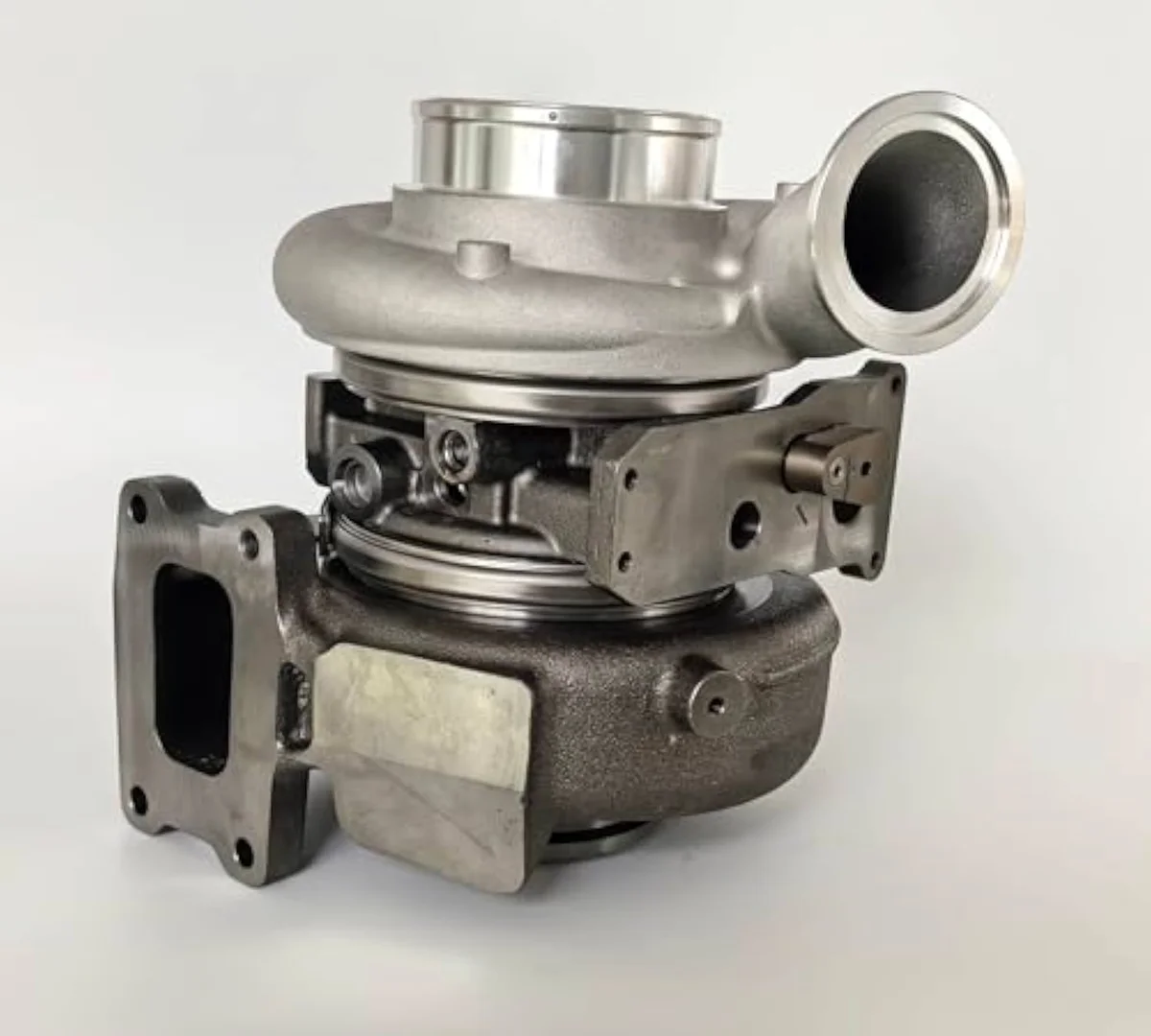
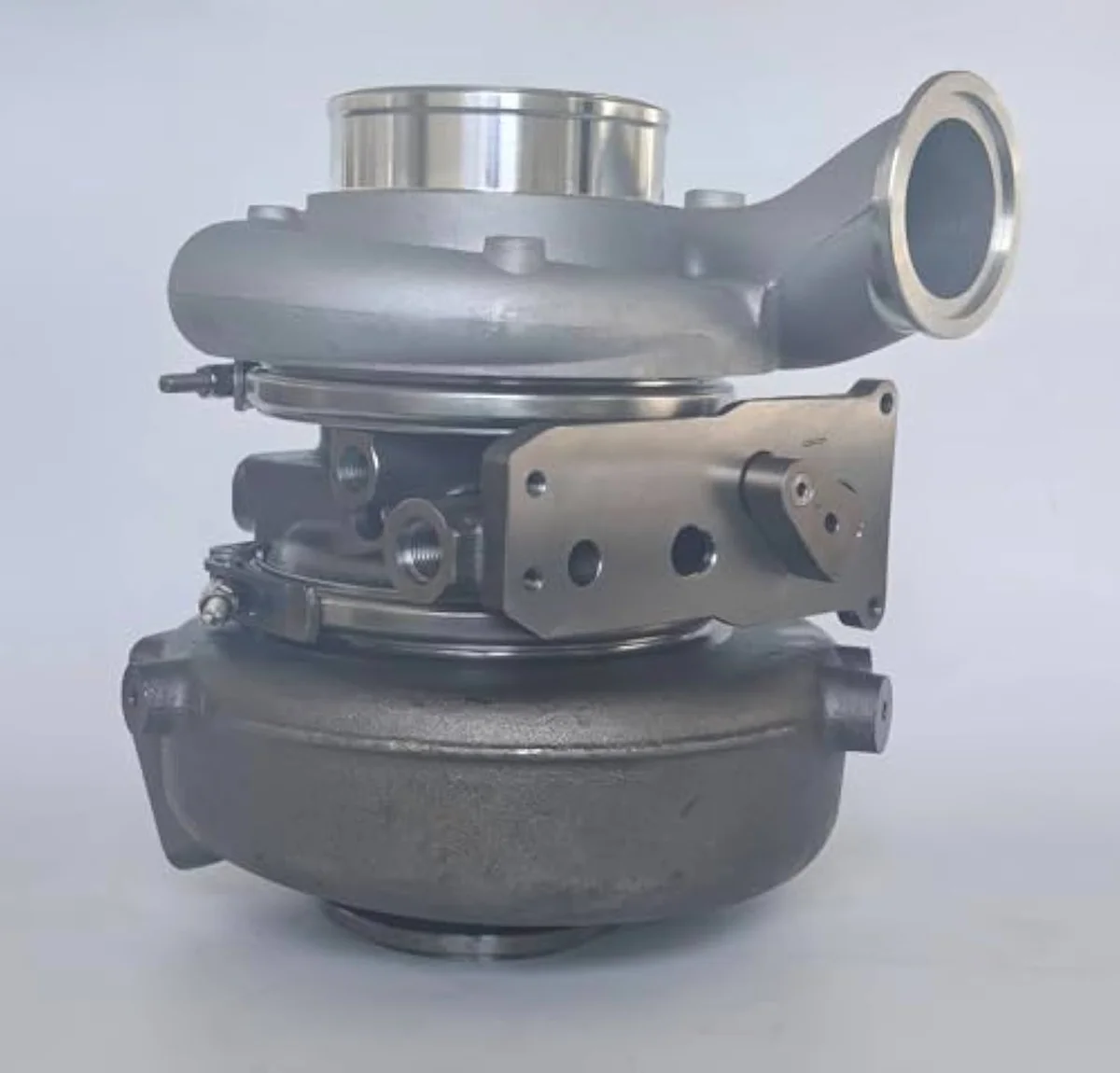
Cummins 5.9L 12-valve and 24-valve applications (1994-2007) use Holset HX35 fixed-geometry. Cummins 6.7L Ram pickup (2007.5-2012) uses Holset HE351VE variable-geometry; 2013-2025 uses Holset HE300VG. Industrial Cummins ISL / ISM / ISX heavy-truck applications use Holset HX40 / HX50 / HX52 / HX55 fixed-geometry frames.
How much does it cost to replace a Volvo turbo?
Volvo D12 Holset HX52 OEM-rebuilt direct: $2,500-$3,500 with documented fleet warranty contract. Aftermarket cross-references (BuyAutoParts 40-30314AN): $800-$1,500 at the budget-tier band. Volvo D13 / Volvo VNL chassis: $2,800-$4,500 OEM-rebuilt. The Volvo OEM-supplier relationship parallels the Cummins-Holset pattern across heavy-duty diesel applications.
How much does it cost to replace a turbo on a semi truck?
Class-8 semi-truck turbocharger replacement: $2,500-$3,500 for OEM-rebuilt direct on Cummins X15, Detroit DD15 / DD16, Paccar MX-13, International A26 applications. Specialty-tier rebuilders rare in heavy-truck; most fleet operators run OEM-rebuilt direct with documented uptime guarantee contracts rather than budget aftermarket cross-references.
Cost Context Across the Diesel Install Base
Cummins 6.7L Ram pickup turbo actuator replacement is the most-common single repair on the US heavy-duty diesel install base. The Stage 2 actuator-only repair saves $1,000-$1,800 versus complete-turbo replacement on roughly 80% of P003A diagnostic presentations.
The diagnostic decision is the highest-savings repair-decision tree on the entire Cummins 6.7L install base. Without diagnostic discipline, the same buyer pays $1,500-$2,500 for a complete turbo when the mechanical side stays intact.
For the broader heavy-duty diesel cross-engine cost-comparison context, the Read the cross-engine roundup covers Cummins 6BT industrial, Volvo D12, Cummins 6.7L Ram pickup, Cummins X15 heavy-truck, and Fleece Cheetah premium-rebuild applications under one supplier-audit framework. The actuator-only repair product on the highest-volume Cummins 6.7L chassis is covered in the WOLLAHS 5494878RX review — Stage 2 entry-tier actuator at $200-$400 documented community-default pick. The complete-turbo replacement alternative on the same Ram pickup install base is covered in the Holset HE351VE review.
For the engineering background on the variable-geometry vane mechanism that the actuator drives, the Variable-geometry turbocharger reference covers the mechanism. The Cummins Turbo Technologies technical library publishes Holset HE351VE / HE300VG OE specifications and compressor maps. The Turbo University reference publishes industrial-tier balance-and-test discipline applicable to Holset rebuilds.
Diagnostic Walkthrough Across the Four Stages
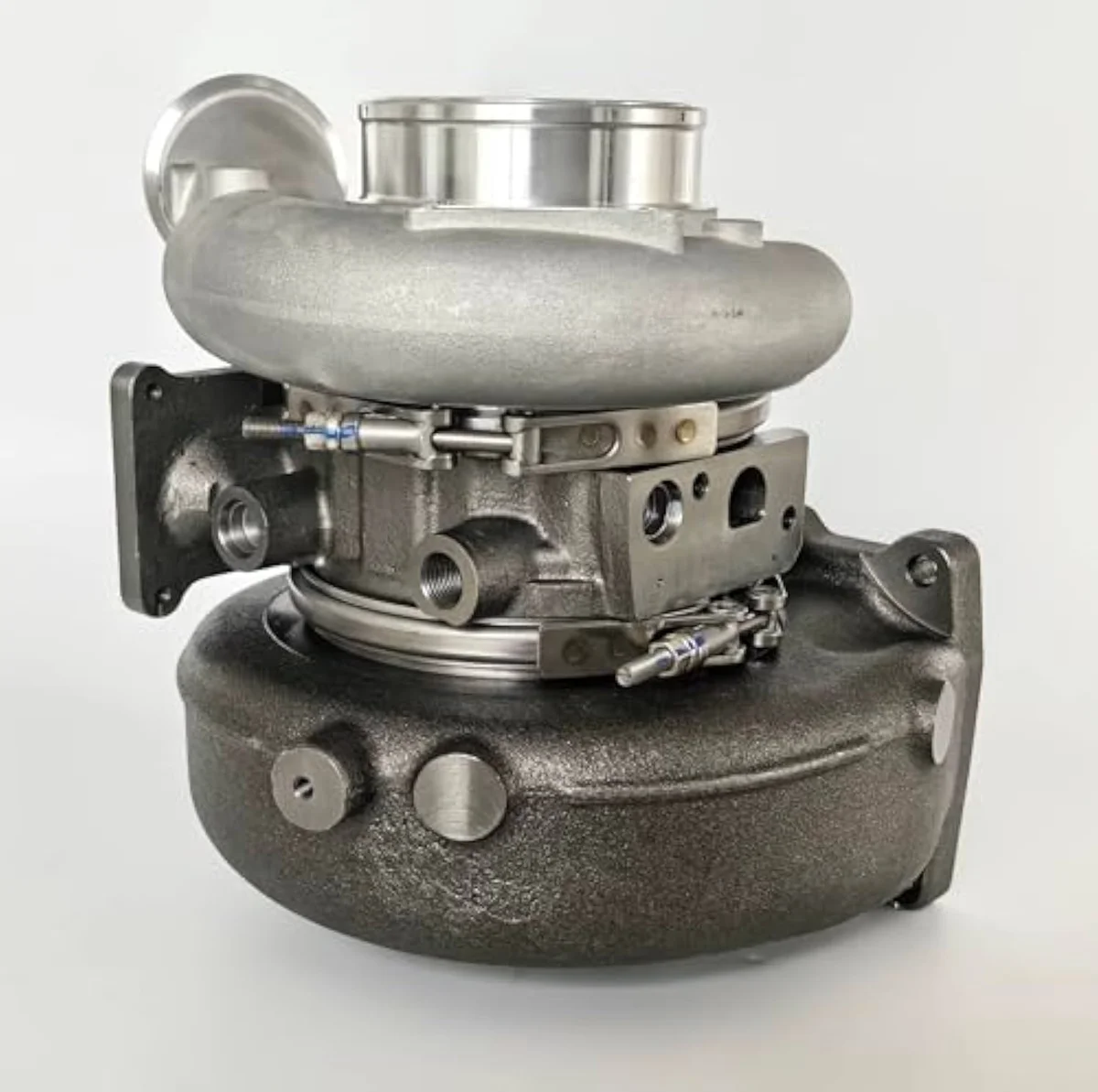
The Cummins 6.7L P003A diagnostic decision tree runs through four documented stages — chemical cleaning, actuator-only replacement, cartridge-CHRA rebuild, and complete-turbo replacement — and each stage targets a specific failure mode at a defined cost band. Skipping the diagnostic discipline routinely costs the owner $400-$2,000 per failure event because the wrong repair stage gets ordered up front.
Stage 1: chemical cleaning of the variable-geometry vanes with MAF cleaner or dedicated VGT cleaner spray. Cost: $30-$80 in cleaner plus 30 minutes of shop labor. Success rate: 30-40% on mild carbon-buildup cases before progressing to electronic failure. Stage 2: actuator-only replacement at $200-$700 plus 1-2 hours labor. Cost: $350-$900 total. Success rate: 80% of P003A presentations where the mechanical side stays intact.
Stage 3: cartridge-CHRA rebuild on the existing housings (specialty turbo shop work). Cost: $400-$900 plus install. Success rate: roughly 10% of failure-mode presentations where bearings are worn but housings stay sound. Stage 4: complete-turbo replacement (HE351VE / HE300VG OEM-rebuilt or budget aftermarket cross-reference). Cost: $1,500-$2,500 plus 4-8 hours labor. Right pick when the housings are cracked, contaminated, or overspun. The diagnostic discipline of running Stage 1 before Stage 2 before Stage 4 saves $400-$2,000 per failure event.
Cost Variance by Shop Tier
Independent diesel shop labor rates run $120-$180 per hour across US regions, climbing to $180-$240 in coastal metro markets and settling at $100-$140 in rural Midwest fleet-service markets. Dealer labor lands $160-$240 per hour under documented warranty terms but at higher per-hour cost than the independent diesel specialists running the same Cummins 6.7L diagnostic.
DIY labor carries zero hourly cost but requires an actuator-compatible OBD-II scan tool ($150-$400 for an Edge Insight CTS3, Bully Dog, or HP Tuners VCM Suite setup) plus the shop knowledge to verify a Stage 2 versus Stage 4 diagnostic before ordering parts. Without the diagnostic tooling, the DIY path collapses back to the independent-shop cost band because the misdiagnosis risk forces a complete-turbo replacement when only the actuator failed.
The labor-cost variance across shop tiers means total replacement cost swings $200-$500 based on which shop runs the repair. For fleet commercial buyers running multiple Ram pickups, the labor-cost negotiation typically lands at $130-$160 per hour with documented uptime guarantee contracts. For owner-operators on a single pickup, the structural call is to find a local independent diesel shop with documented Cummins 6.7L diagnostic experience rather than a generic auto shop without the diagnostic tooling.
Warranty vs Aftermarket Cost Tradeoff
The OEM-rebuilt-direct versus aftermarket cross-reference decision flips on warranty depth and intended duty cycle. OEM Cummins Holset actuator: $550-$700 with 12-month factory warranty under documented Cummins service network. BD Diesel HE351VE actuator rebuild: $400-$550 with 12-month rebuilder warranty. WOLLAHS HE351VE budget aftermarket: $200-$300 with 1-year limited and heavier claim-process documentation.
For fleet commercial applications with documented uptime contracts, OEM-rebuilt direct is the structural pick — the warranty depth matters more than the per-unit price. For out-of-warranty owner-operator daily-driver Ram pickups, budget aftermarket WOLLAHS at $200-$300 is the structurally defensible call against the $1,500-$2,500 complete-turbo dealer-replacement alternative. The depreciation-adjusted spend math heavily favors budget aftermarket at the 130,000-mile failure threshold typical for the Cummins 6.7L HE351VE / HE300VG install base.
Pre-Calibrated Upgrade Actuator vs Stock Replacement
Pre-calibrated upgrade actuators ship at $300-$450 versus $200-$300 for entry-tier WOLLAHS units and $550-$700 for OEM Cummins Holset units. The upgrade tier adds dyno-tested calibration documentation, ISO-grade balance certificates on the actuator gear train, and an 18-24 month warranty band that closes the depreciation-adjusted spend gap against OEM-rebuilt-direct on owner-operator pickups.
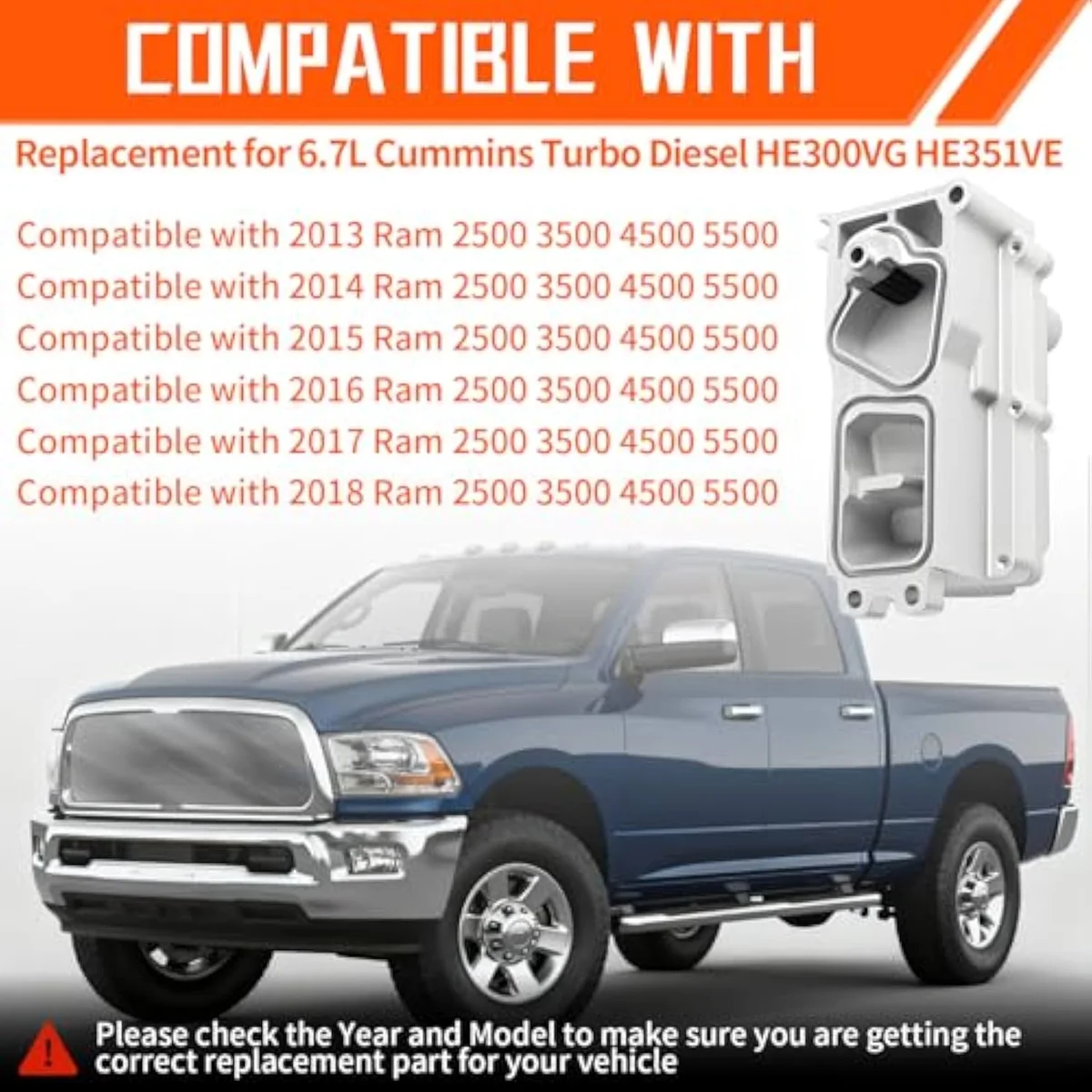
The pre-calibrated path matters most on 2018-and-later Ram chassis where the OE actuator cannot be programmed without a separate security-bypass OBD2 cable — the calibrated upgrade unit ships ready-to-bolt with the calibration baked into the firmware, removing the OBD2 step that strands DIY installers without a $400 specialty cable. Per the WOLLAHS upgrade actuator review, the documented community-tested install on 2013-2018 Ram chassis runs 1.5-2.5 hours at the independent-shop labor rate.
For 2007.5-2012 Cummins 6.7L Ram chassis (HE351VE generation), the pre-calibration gap is smaller because the older ECM accepts a wider range of factory-default actuator calibrations on plug-and-play install. For 2013-2025 Ram chassis (HE300VG generation), the calibration gap widens because the post-2018 security-bypass requirement turns a 90-minute actuator swap into a 4-hour project for any installer without the bypass cable. The depreciation-adjusted call across the 2018-2025 install base routinely lands on the pre-calibrated upgrade tier for that single workflow reason.
Get Product Updates
Updates only when something changes.
Only when something changes. Unsubscribe anytime.