Updated
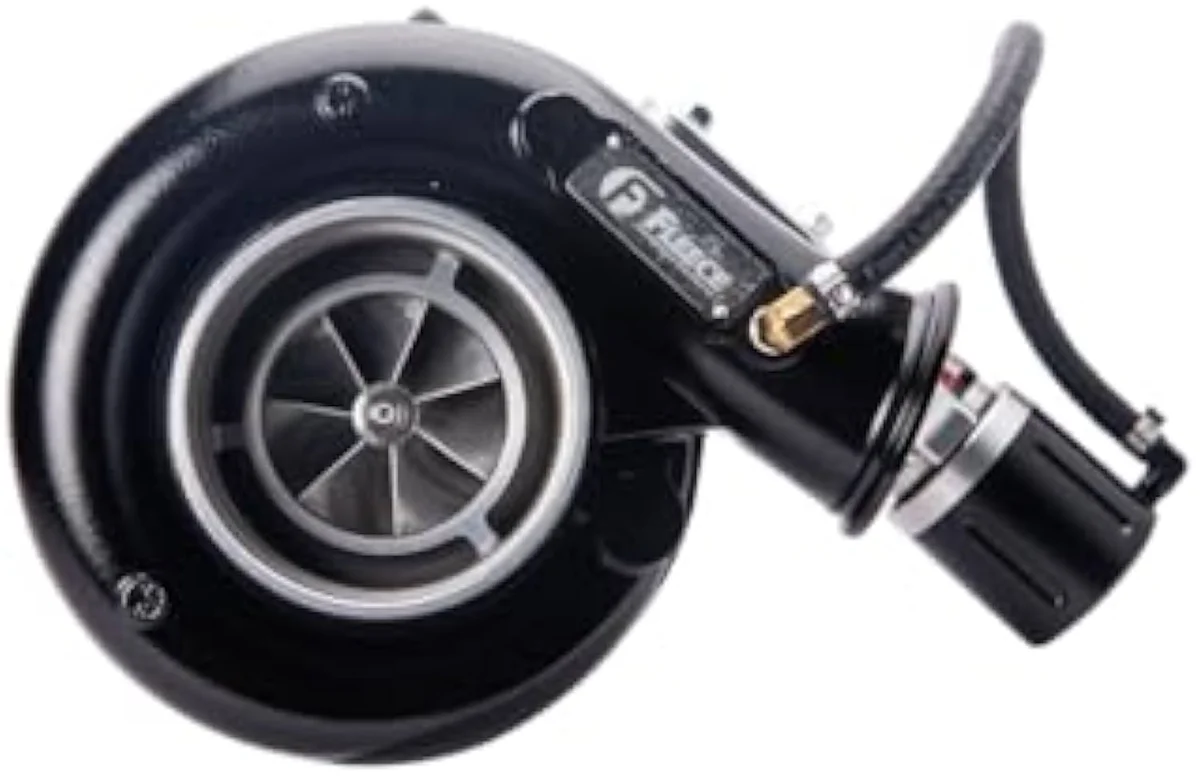
For the broader specialty-tier diesel rebuilder context that Bullseye Power competes in, see the Read the HPT brand-tier guide — covers the four other specialty rebuilders (Fleece, BD Diesel, Industrial Injection, KC Turbos) Bullseye cross-shops against in the Cummins community.
Bullseye Power Brand Overview
Bullseye Power is an Indianapolis, Indiana-based specialty-tier diesel turbocharger rebuilder focused on Cummins compound twin-turbo race-tier builds. The brand operates from the heart of the US diesel-performance build community, close to Dakota Diesel, Industrial Injection regional distribution, and the Indiana sled-pull / dyno-competition Cummins community that anchors most Bullseye product sales.
The brand expanded from specialty rebuilder origins into compound twin-turbo system design through the 2010s as the sled-pull Cummins competition community matured. Bullseye now ships both single-turbo upgrades (covering 600-1,200 horsepower Stage 1-3 builds) and compound twin-turbo systems (anchoring the 1,500-2,500 horsepower race-tier reputation). Cross-shop competitors at similar engineering depth: HPT (Auburn, MI broader chassis coverage), Industrial Injection (Salt Lake City, Cummins-focused broader Stage range), Fleece Performance (Brownsburg, IN Cummins-specific Cheetah build), BD Diesel (Cloverdale, BC broader heavy-duty diesel).
"Bullseye Power is the documented community default for serious sled-pull Cummins compound builds in the Midwest. Industrial Injection runs broader Stage range coverage; Bullseye specializes in the compound twin race-tier lane where most of the brand revenue concentrates. The cross-shop is genuinely close on engineering criteria for any 1,500+ horsepower Cummins build." — r/Cummins / r/sledpull synthesis on the Midwest sled-pull Cummins compound build market.
The Compound Twin-Turbo Architecture
Compound twin-turbo configurations stack a small primary turbo (Holset HE351 class) feeding intake air into a larger secondary atmospheric turbo (BorgWarner S400 class). Net result on a 12-valve Cummins 5.9L: 1,200-1,800 horsepower at the wheels with rapid low-RPM spool and broad torque curve.
The primary (typically a Holset HE351 class or Bullseye S369 class) spools fast at 1,500-2,200 RPM; the secondary (typically a BorgWarner S400 class or Bullseye S480 / S488 class) handles peak airflow at 3,500-4,500 RPM.
The architectural elegance is that each turbo operates inside its own efficiency envelope. The small primary never sees the choke line because its job ends when the secondary takes over. The large secondary never sees the surge line because its job begins after the primary has already built intake pressure. Compared to a single large turbo trying to cover the same power band — which would either lag dramatically at low RPM or choke at high RPM depending on frame size selection — the compound architecture eliminates the spool-versus-peak compromise that single-turbo builds force on the designer.
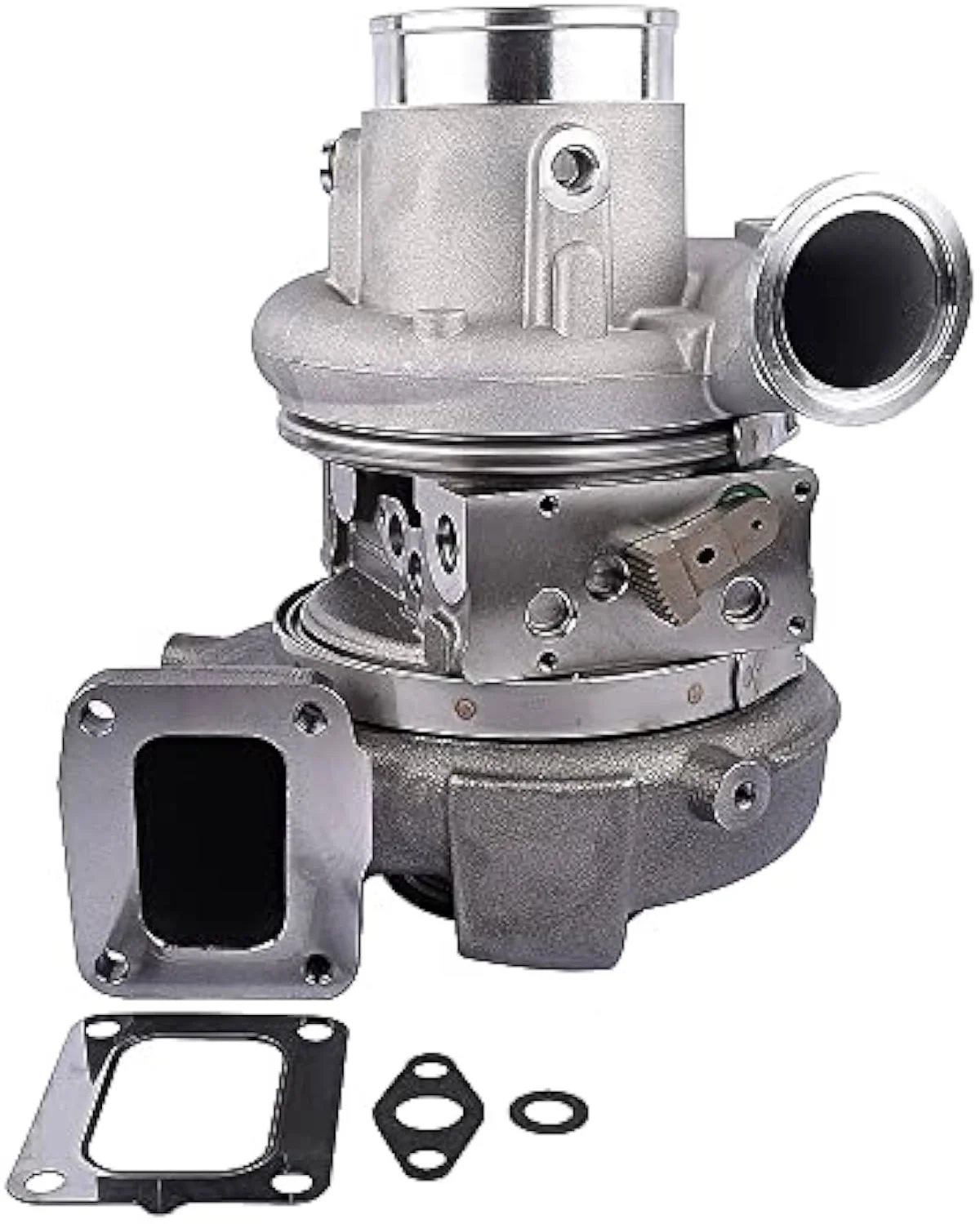
The mechanical complexity of compound builds requires substantial supporting modifications. The intake plumbing routes from the small primary outlet to the large secondary inlet through a custom intercooler stage. The exhaust manifolds route from the engine through the small primary turbine to the large secondary turbine in series; some compound builds use parallel exhaust paths with selector valves for race-only switching. The fuel system upgrade is non-negotiable: stock Cummins CP3 injection pumps cannot supply enough diesel fuel for compound power targets; the upgrade path is either a CP3 calibration upgrade or twin CP3 setup.
Bullseye Power Product Tiers
The catalog splits into three tiers across the Cummins platform: Stage 1 single-turbo stock-replacement at $2,500-$3,500, Stage 2-3 single-turbo mild-performance upgrade at $3,500-$5,500, and compound twin-turbo race-tier at $6,000-$14,000 per complete system.
Stage 1 covers OEM-direct-replacement Holset HX35 (1994-2002 Cummins 5.9L 12-valve / 24-valve) and HE351CW / HE351VE / HE300VG (2007.5-present Cummins 6.7L) frames. The Bullseye Stage 1 ships rebuilt OEM cores with new balance-grade rotating assemblies, upgraded bearings where applicable, and documented compressor maps. Performance matches factory; service life matches factory at 100,000-150,000 miles. Stage 2-3 ships upgraded single-turbo builds — billet compressor wheels, larger frame sizing, ball-bearing cartridges. Performance targets 50-300 horsepower gain over Stage 1 with required supporting modifications.
The compound twin-turbo tier is the brand\'s signature product line. Stage 4 compound kit ($6,000-$8,500) covers 1,200-1,500 horsepower targets for mixed daily-driver-plus-weekend-track builds. Stage 5 compound kit ($8,500-$14,000) covers 1,500-2,500 horsepower dedicated race builds with maximum fuel system, transmission, and engine internals support. Both kits include both turbos, custom-fabricated exhaust manifolds, intercooler integration, and tuning consult with the install shop.
Bullseye vs Industrial Injection vs Fleece Performance
The three Cummins-specialty rebuilders compete at similar pricing and engineering depth. Bullseye concentrates on compound twin race-tier (1,500-2,500 hp). Industrial Injection runs a broader Stage 1-5 catalog. Fleece focuses on Cummins 5.9L Cheetah HX35 single-turbo plus broader 6.7L Stage 1-3.
Stage range comparison in detail: Bullseye Power concentrates on compound twin race-tier builds (1,500-2,500 hp). Industrial Injection covers a broader Stage range from Stage 1 daily-driver through Stage 5 dedicated race compound. Fleece Performance focuses on Cummins 5.9L with the documented Cheetah HX35 single-turbo build and the broader Cummins 6.7L Stage 1-3 catalog.
For pure compound twin race builds, Bullseye is the documented community default in the Indiana / Midwest sled-pull market. For mixed daily-driver-plus-weekend-race builds, Industrial Injection has the broader Stage catalog covering more power bands. For Cummins 5.9L single-turbo budget-tier upgrade with documented dyno data, Fleece is the cross-shop default. The decision often lands on regional distributor presence and which shop the buyer trusts locally for install plus ongoing tuning support across the build life cycle.
For the broader specialty-tier rebuilder context, the Read the HPT brand-tier guide covers HPT and the four other specialty rebuilders Bullseye competes against. For the foundational mechanism background, the Read the mechanism explainer covers the six structural components common to single-turbo and compound builds alike. For the broader buying-decision context including budget tiers below Bullseye, the Read the cross-engine roundup covers documented picks. For the closest cross-shop specialty-tier Cummins 5.9L build, the Read the Fleece Cheetah HX35 review covers the documented Cheetah build at comparable pricing tier.
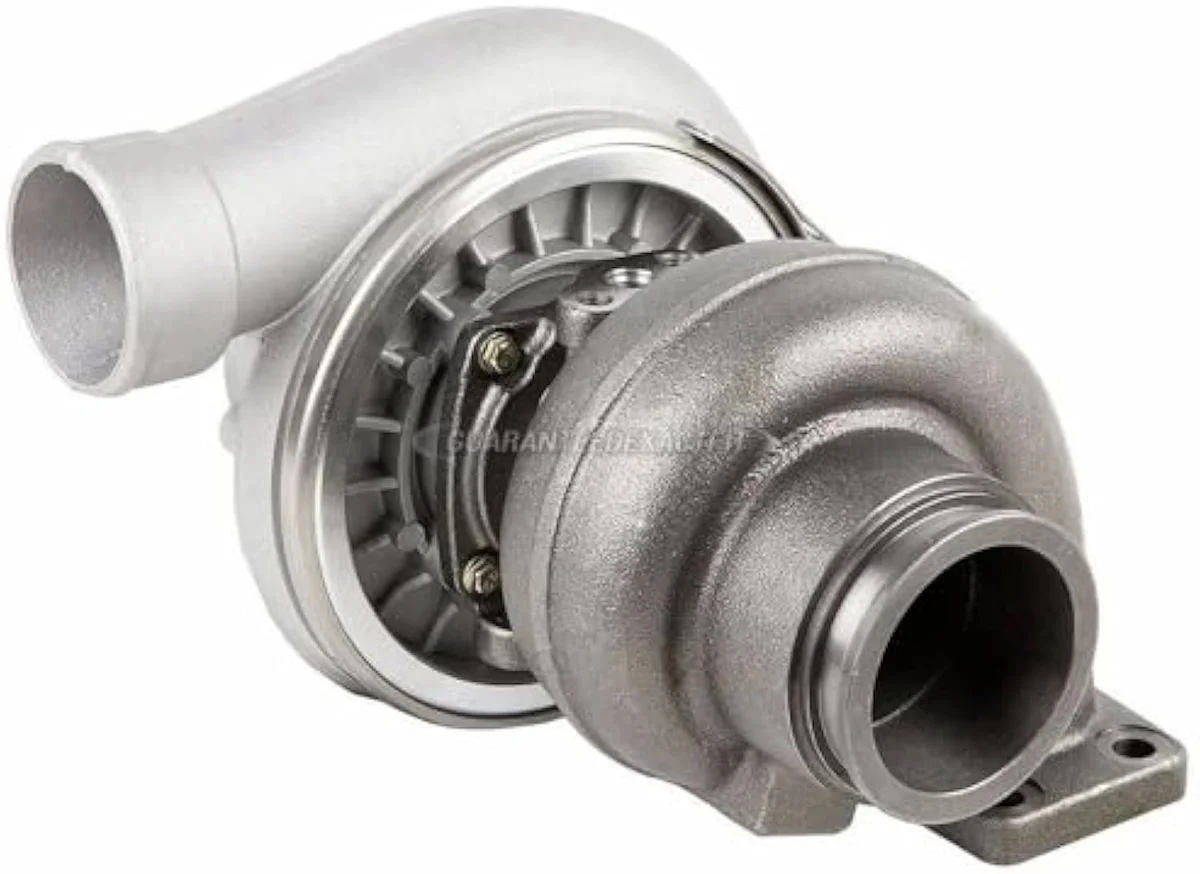
For deeper engineering background, the Turbocharger reference covers compressor-and-turbine fundamentals. The Diesel engine reference covers heavy-duty diesel architecture that compound builds enhance. The Turbo University reference publishes industrial-tier balance-and-test discipline. The Turbocharger Rebuilding Distribution catalog publishes OE manifest cross-references for the Cummins platform that compound builds anchor.
Bullseye Power Decision Questions
- What does Bullseye Power make?
- Bullseye Power designs and assembles compound twin-turbocharger systems for Cummins 5.9L 12-valve and 24-valve diesel applications, plus single-turbo upgrades for the same platform. The brand specializes in 1,000-2,500 horsepower race-tier builds — primarily for Pro Stock sled-pull, drag-race, and dyno-competition Cummins truck builds. Single-turbo Bullseye products cover 600-1,200 horsepower stages; the compound twin-turbo systems anchor the brand reputation at 1,500-2,500 horsepower.
- Where is Bullseye Power located?
- Bullseye Power operates from Indianapolis, Indiana, in the heart of the US diesel-performance build community. The Indiana base puts the brand close to the Dakota Diesel, Industrial Injection, and Fleece Performance distribution networks, plus the regional Cummins-specialty shops that route customer builds. Founded as a specialty rebuilder, the brand expanded into compound twin-turbo system design through the 2010s as the sled-pull and dyno-competition Cummins community matured.
- How much do Bullseye Power compound turbo kits cost?
- Compound twin-turbo systems run $6,000-$14,000 for the complete kit (both turbos, manifolds, charge piping, intercooler integration, fuel system support, ECM tuning consult). Single-turbo Bullseye products run $2,500-$5,500 depending on Stage and frame size. The compound kit pricing matches comparable Industrial Injection or BD Diesel compound builds at the same horsepower target; the cross-shop is genuinely close on engineering criteria.
- Bullseye Power vs Industrial Injection — which is better?
- Both are Indiana / Utah-based Cummins-specialty rebuilders covering similar power bands with comparable engineering depth. Bullseye Power is more concentrated on compound twin-turbo race-tier builds (1,500-2,500 hp). Industrial Injection covers a broader Stage range from daily-driver Stage 1 ($1,500-$2,200) through dedicated race compound Stage 5 ($8,000-$15,000+). For pure compound twin race builds Bullseye is the documented community default in the sled-pull world; for mixed daily-driver-plus-weekend-race builds Industrial Injection has the broader Stage catalog.
- What is a compound twin-turbo on a Cummins?
- A compound twin-turbo configuration uses a small primary turbo (typically a Holset HE351-class or Bullseye S369-class) feeding intake air into a larger secondary atmospheric turbo (typically a BorgWarner S400-class or larger). The primary spools fast at low RPM; the secondary handles peak airflow at high RPM. The net result on a 12-valve Cummins 5.9L: 1,200-1,800 horsepower at the wheels with rapid spool, broad torque curve, and acceptable street manners on a build that would otherwise lag dramatically with a single large turbo.
- Can Bullseye Power turbos run on stock Cummins?
- Single-turbo Bullseye Stage 1 and Stage 2 products are designed to bolt onto stock-fuel-system Cummins applications with documented 50-200 horsepower gains over OEM. Compound twin-turbo Bullseye kits require substantial supporting modifications — uprated fuel system (CP3 injection pump upgrade or twin CP3 setup), uprated injectors, transmission build, intercooler upgrade, fuel cooler, and standalone ECM tuning. Bolting a Bullseye compound to a stock fuel system delivers 60% of rated power and accelerates engine failure.
- How long do Bullseye Power turbos last?
- Stage 1 stock-replacement Bullseye Cummins 5.9L / 6.7L turbos reach 100,000-150,000 miles in daily-driver duty cycles with proper oil-change discipline. Stage 2-3 mild-performance Bullseye builds reach 60,000-120,000 miles. Compound twin-turbo Bullseye race builds in dedicated sled-pull or drag-race duty cycles see 30,000-80,000 miles between rebuilds; the dramatically higher thermal and rotational stress is the limiting factor on race-tier turbos regardless of brand.
Get Product Updates
Updates only when something changes.
Only when something changes. Unsubscribe anytime.