Updated
| Feature | 5494878RX 6.7 Cummins Turbo Actuator Compatible with Dodge Ram 2500 3500 4500… | 5494878RX Upgrade 6.7L Cummins Turbocharger Actuator Calibrate Kit Compatible… |
|---|---|---|
| See the Listing | See the Listing |
Same Actuator Class, Different Kit Contents
Both kits replace the failed Holset HE300VG / HE351VE actuator on the Cummins 6.7L install base. The split is in what each kit bundles with the actuator and how each handles 2018+ programming.
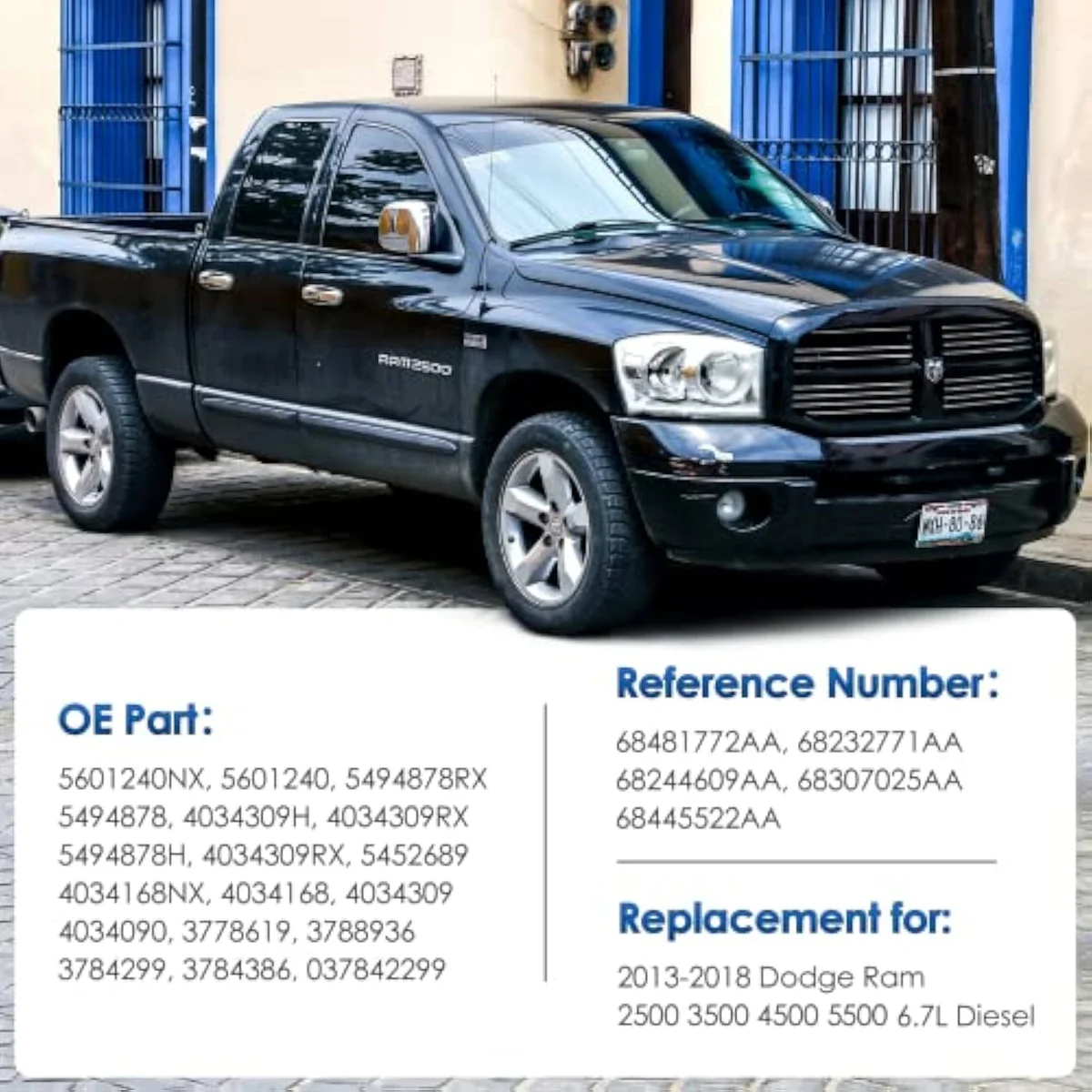
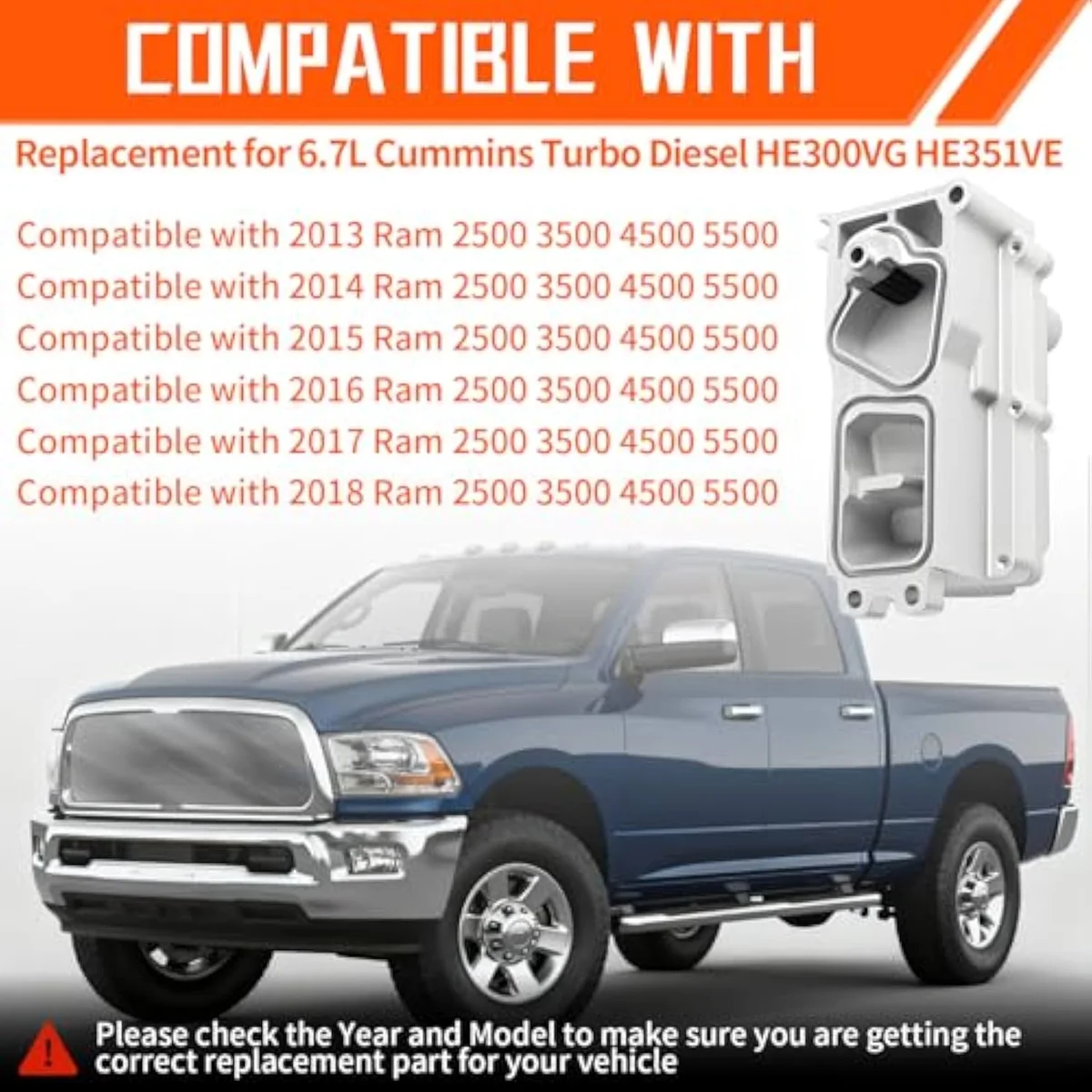
The WOLLAHS chassis fence covers 2013-2018 Ram 2500/3500/4500/5500 ISB 6.7L Diesel per the listing. The B.ZSSY chassis fence:
WOLLAHS Bundles The Calibration Module
The WOLLAHS kit ships with a Turbine Calibration Module that runs the post-install actuator-vane calibration without requiring a separate OBD2 tool from the buyer.
The WOLLAHS bundled-tool line:
WOLLAHS also publishes a 10-year after-sales service positioning:
B.ZSSY Adds Adapter Harness But Flags 2018+ Programming
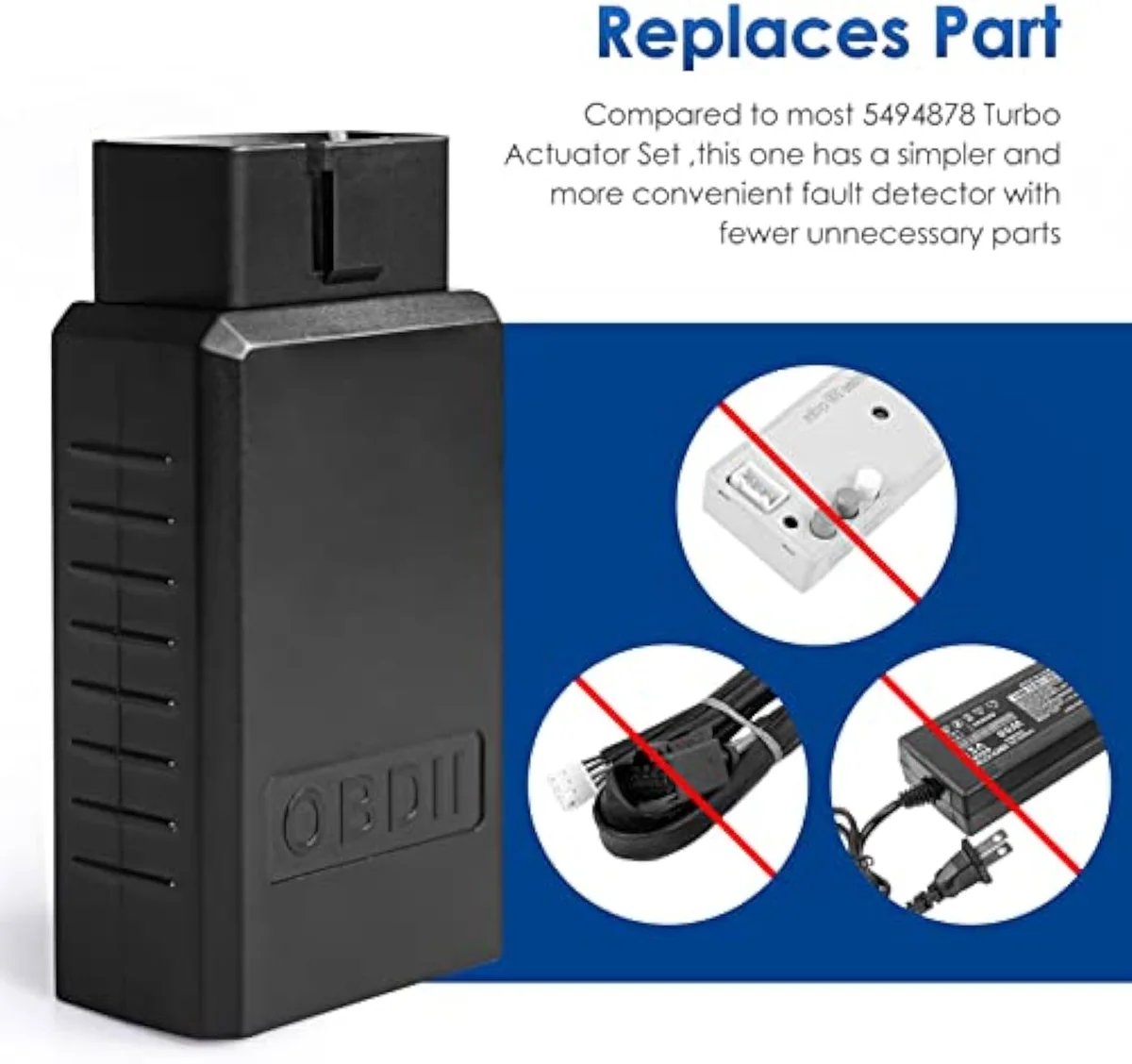
The B.ZSSY upgrade kit ships with an adapter harness, a detector tool, and a turbine-gear positioning instruction that the WOLLAHS kit does not surface — but the bundled programming module has a documented 2018+ limitation that the WOLLAHS Turbine Calibration Module does not.
The B.ZSSY 2018+ programming disclosure on the listing:
The B.ZSSY pre-install instruction the WOLLAHS kit does not publish:
Install Discipline Beats Brand Pick
The discipline gates that determine post-install longevity apply identically to both kits. The Cummins community converges on a set of pre-install and post-install steps that move the failure-rate curve more than the brand selection does.
Pre-install gates: pre-soak the bottom-left actuator-mount bolt with penetrating oil the day before the install — the bolt sits in a low pocket where antifreeze residue corrodes the threads, and a corroded bolt heads off into the manifold instead of out cleanly. Pull the fender liner the day before for access. Vacuum or blow out the bottom hole before bolting the new actuator on so antifreeze residue does not contaminate the new unit. Verify the driven gear moves freely from mark to mark on the turbo housing before install — a stuck or seized vane mechanism kills the new actuator inside a week.
Post-install gates: run the exhaust brake on every drive — the r/Cummins consensus is that running the exhaust brake all the time prevents carbon build-up on the VGT vanes that shortens actuator life. The healthy 6.7L Cummins spec the community references runs >25 psi turbo boost and >100 lb exhaust-brake torque on a 70 mph 6th-to-4th downshift; the post-install verification step is hitting those numbers on a road test. If either is low, the diagnostic re-check looks for intake or exhaust leaks (2281 code) between the airbox, turbo, and throttle body before condemning the new actuator.
Dealer Cost Context On Actuator Failures
The Cluster B buyer landed on either listing because the dealer estimate on a Cummins 6.7L turbo actuator replacement is structurally higher than the aftermarket alternative.
The dealer quote on a 2013-2018 Ram 2500 / 3500 chassis with a U010C lost-communication code typically runs in the high-three-figure to low-four-figure tier all-in, with diagnostic and labor stacked on top of the actuator parts cost. The r/Cummins community math against a $300 Amazon-tier actuator: the buyer can replace the unit three times for the cost of one rebuilder-tier City Diesel or new OEM Holset actuator. The trade-off is the failure-rate variance — three Amazon actuators with documented failure-pool variance versus one City Diesel with documented institutional production history. For a daily-driver 2500 / 3500 owner the math tilts toward the entry-tier aftermarket; for a commercial fleet operator with revenue-tied downtime cost, the rebuilder-tier institutional density wins on total cost of ownership.
If You\'re Coming From WOLLAHS
If you landed on the WOLLAHS listing first, the cross-shop question is whether B.ZSSY gives you anything the included Turbine Calibration Module does not.
For a 2013-2017 Ram chassis on the ISB 6.7L Cummins, WOLLAHS is the bolt-up-and-go path with the calibration module included — the cross-shop tilt to B.ZSSY only makes sense when the buyer wants the adapter harness + detector kit specifically. For a 2018 or 2019 Ram chassis, B.ZSSY requires a separate security bypass OBD2 cable for programming while WOLLAHS\'s calibration module may need the AlfaOBD workaround instead. Either kit requires the same install discipline (pre-soak the bottom-left bolt, vacuum the bottom hole, verify mark-to-mark vane travel). The 10-year after-sales service positioning on WOLLAHS is a customer-service framing that B.ZSSY does not publish — a soft signal for buyers who weight long-tail support window length.
If You\'re Coming From B.ZSSY
If you landed on the B.ZSSY upgrade kit first, the cross-shop question is whether WOLLAHS\'s included Turbine Calibration Module gives you a more direct programming path.
For a 2013-2018 Ram chassis where the buyer wants the actuator + calibration tool in one bundle without sourcing additional OBD2 cables, WOLLAHS is the simpler kit. The B.ZSSY adapter harness + detector + turbine-gear positioning instruction adds install-time documentation that WOLLAHS does not publish, but the 2018+ programming gotcha requires the separate bypass cable workaround. For 2013-2017 Ram chassis the cross-shop is a wash on programming — both kits go in. For 2018 and 2019 chassis B.ZSSY adds the bypass-cable logistics step. The shared discipline gates (pre-soak, vacuum, mark-to-mark verification, exhaust-brake usage) apply identically on either pick.
For underlying turbocharger engineering background on the Cummins HE300VG / HE351VE variable-geometry actuator platform both kits serve, the Wikipedia turbocharger reference documents the actuator-and-vane architecture, the TSReman Turbo University service-part catalog publishes the Cummins HE-series actuator cross-reference manifest cited by both listings, and the Rotomaster understanding turbochargers reference covers the rebuilder-tier diagnostic protocol Cluster B buyers should run against the failed actuator before ordering either kit.
Verdict: Pick By Chassis Year + Tool Bundle
No head-to-head winner. Both kits replace the same Holset HE300VG / HE351VE actuator on the same 2013-2018 Cummins 6.7L Ram install base. Pick by which tool bundle the install requires and whether the chassis falls inside or outside the 2018+ programming-cable gotcha.
Pick WOLLAHS when the chassis is 2013-2017 Ram and the buyer wants the included Turbine Calibration Module + written-instructions bundle on a bolt-up-and-go install path, or when the 10-year after-sales service positioning matters for long-tail support window length. Pick B.ZSSY when the buyer wants the adapter harness + detector kit + turbine-gear positioning instruction, or when the chassis is 2018+ and the buyer is prepared to source a separate security bypass OBD2 cable for programming. Both kits remain in the Amazon-tier "crap shoot" zone the r/Cummins community flags against the rebuilder-tier Geno\'s Garage / City Diesel / BD Diesel alternatives at the high-three-figure to low-four-figure range. Install discipline matters more than the brand pick.
2013-2017 Ram + included Turbine Calibration Module:
Check Price on AmazonAdapter harness + detector + 2018+ bypass cable workflow:
Check Price on AmazonCummins 6.7L Actuator Decision Questions
- WOLLAHS or B.ZSSY for a 2018+ Ram 2500 / 3500?
- WOLLAHS works directly on 2013-2018 chassis with its included Turbine Calibration Module. The B.ZSSY upgrade kit requires a separate security bypass OBD2 cable for programming on 2018 and later Ram models — the bundled programming module will get stuck in calibration mode without that bypass. For a confirmed 2018+ chassis, either pick is workable, but the WOLLAHS kit goes in with the included calibration module while the B.ZSSY kit requires the operator to source and install the bypass cable separately (roughly five minutes once the cable is in hand) before the programmer becomes operational. The r/Cummins community thread surfaces AlfaOBD as the standard workaround on 2019-2020 Ram chassis where either kit's included calibration tool falls short.
- What is the installation procedure on either actuator?
- Both kits replace the failed Holset HE300VG / HE351VE actuator on the existing turbo without removing the turbo itself. Pull the wheel-well cover for access (the bottom bolt is the awkward one), remove the four actuator bolts, unplug the harness connector, swap the actuator, and reinstall in reverse. The B.ZSSY kit ships a turbine-gear positioning instruction that matters: assemble with the turbine gear at the left-limit (maximum flow) position or calibration will fail post-install. WOLLAHS does not publish an equivalent positioning instruction on its listing copy, though the community-thread context applies the same discipline to either install. A penetrating-oil presoak on the bottom-left bolt the day before install is the community-standard preparation discipline.
- Are these actuators interchangeable with the OEM Holset?
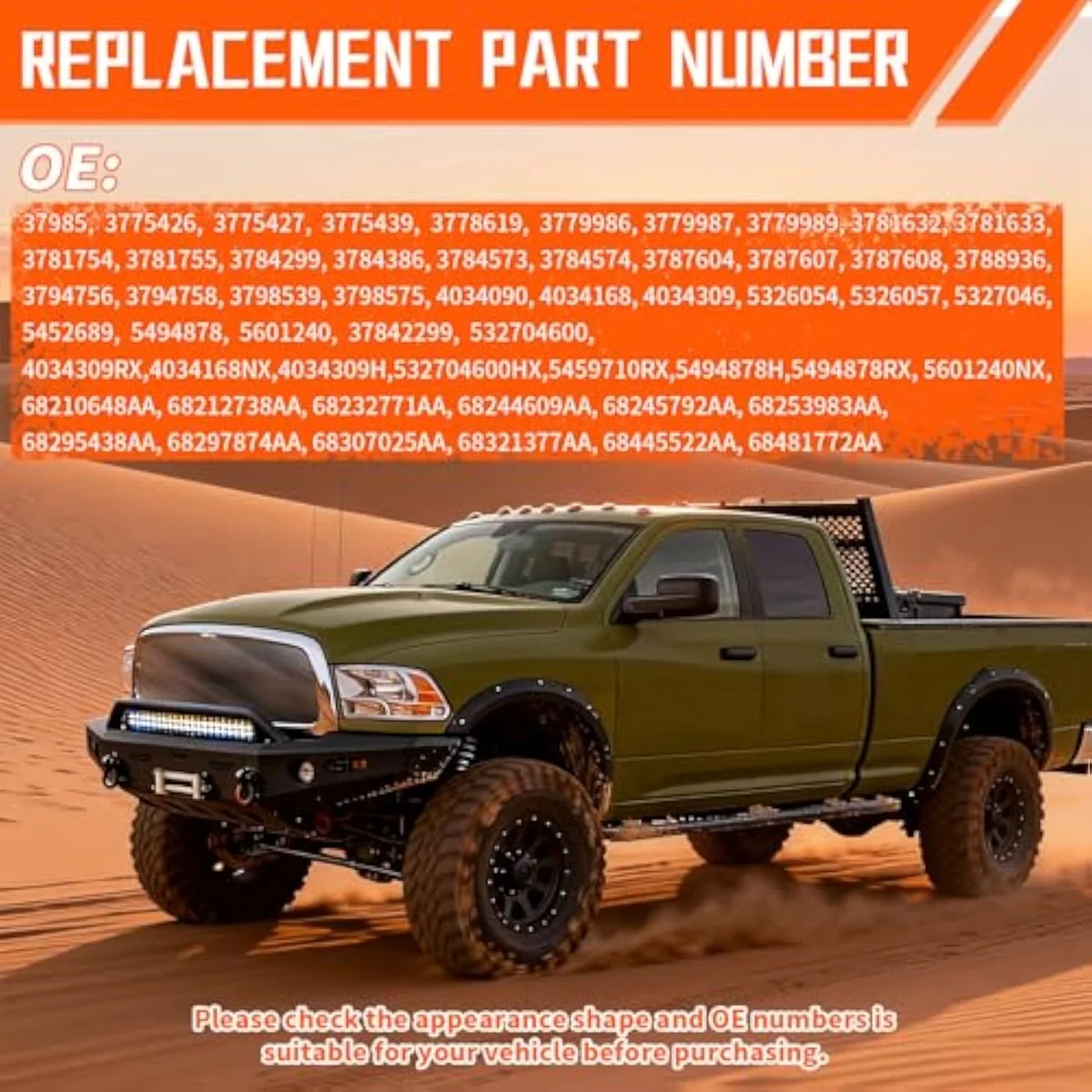
- Functionally yes — both fit the same OEM Holset HE300VG / HE351VE mounting flange on the 2013-2018 Cummins ISB 6.7L turbo. The cross-reference part numbers both kits replace (3787604, 3781632, 5601240NX, 3794756, 3775439, 3787608, 3781633, 3779986, and the broader 30+ OE chain) anchor the same actuator class across the Ram 2500 / 3500 / 4500 / 5500 install base. The r/Cummins consensus on aftermarket actuators is mixed — some owners report 34,000+ miles of trouble-free service on the $300 Amazon tier, others document Day-One failures and 6-month replacements. Casting-lot variance dominates unit-to-unit consistency at the budget tier. Rebuilder-tier alternatives (BD Diesel, Geno's Garage / City Diesel) sit at 4-7x the price for documented institutional production history.
- When does the whole turbo need replacement instead of just the actuator?
- The Cummins community decision threshold is roughly 200,000 miles on the original turbo. Below 200k, the actuator-only swap is the cost-effective fix when the diagnostic codes point at U010C (lost-communication), the turbo vanes move freely from mark to mark on the housing during bench inspection, and there are no audible bearing-failure tells from the cartridge. Above 200k, the wear curve on the cartridge bearing, the VGT vanes, and the wastegate-pivot bushings has typically caught up to the actuator failure — replacing just the actuator means a second teardown six months later when the cartridge follows. The rebuilder-tier institutional alternatives (Fleece Performance Cheetah, BD Diesel HE351VE upgrade) sit at the full-turbo-replacement tier rather than the actuator-only tier.
- How long do these actuators last in real-world service?
- Aftermarket actuator longevity has a wide distribution. The positive end runs to 30,000+ miles on a $300 Amazon-tier unit with proper install discipline; the City Diesel actuator the r/Cummins community recommends has documented 60,000-mile owner reports. The negative end is documented immediate-install failures and 6-month replacement cycles. The shop-discipline gates that matter: pre-soak the bottom-left bolt with penetrating oil the day before install, vacuum or blow out the bottom hole before bolting the new actuator on so antifreeze does not contaminate the unit, verify the driven gear moves freely from mark to mark on the turbo housing before install, and run the exhaust brake on every drive to prevent carbon build-up that shortens VGT actuator life. Both WOLLAHS and B.ZSSY benefit from the same discipline.
Use our Turbo Replacement Cost Estimator to size aftermarket actuator spend against the dealer-quote baseline for your 2013-2018 Ram chassis. For the broader Cluster B Cummins 6.7L diagnostic decision-tree context (clean → actuator → cartridge → complete), route to the Cummins 6.7L turbo diagnosis guide.