Updated
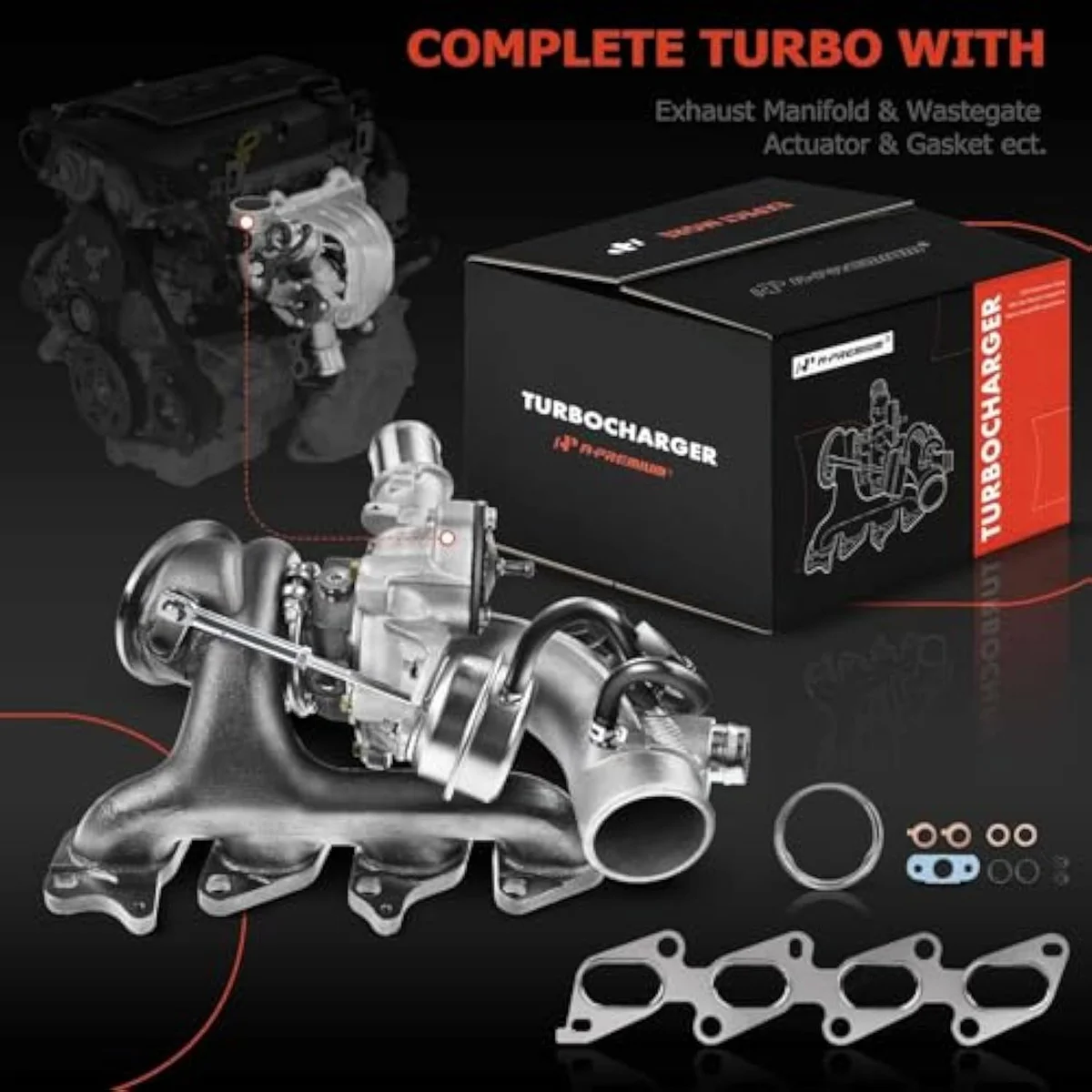
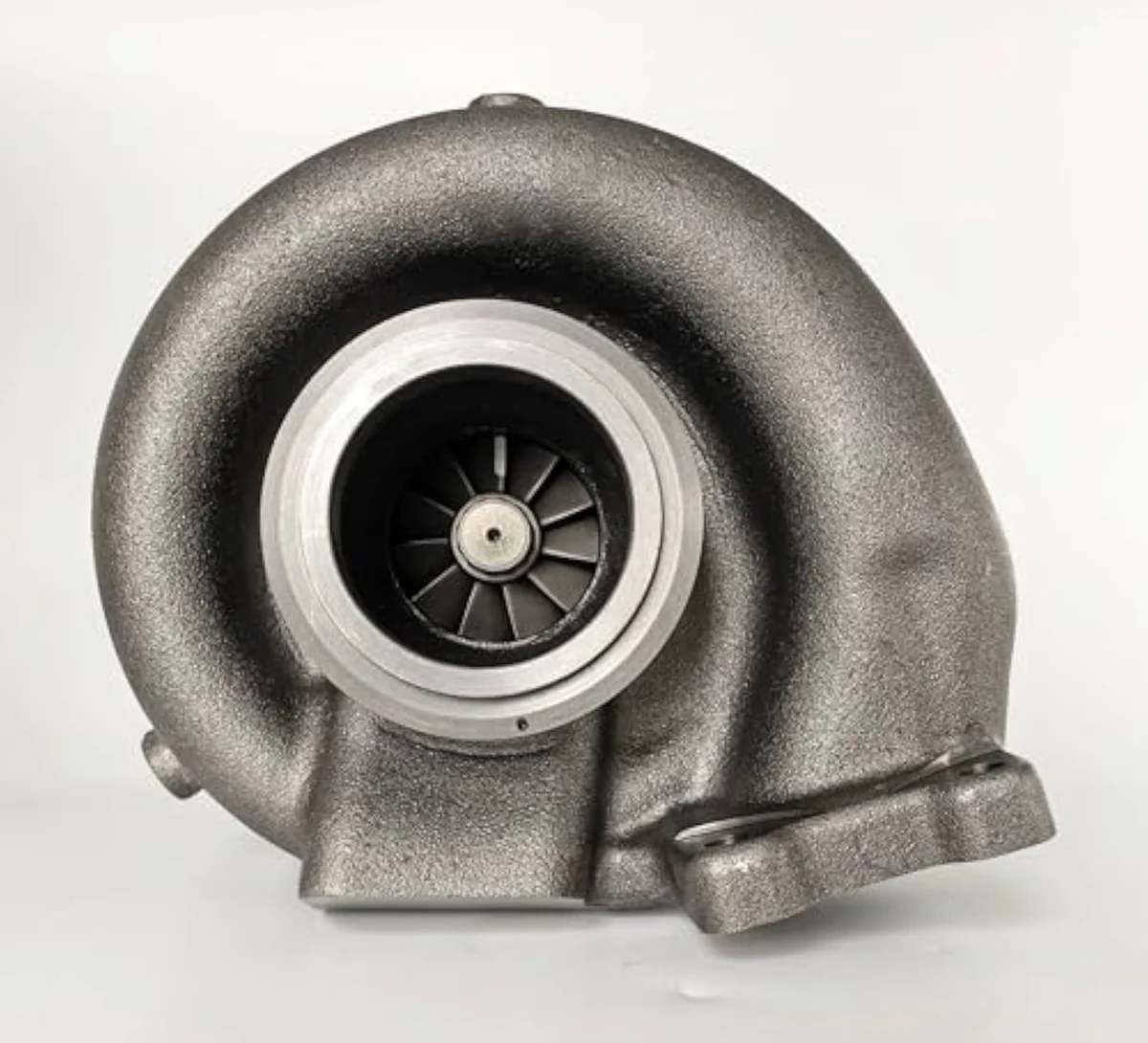
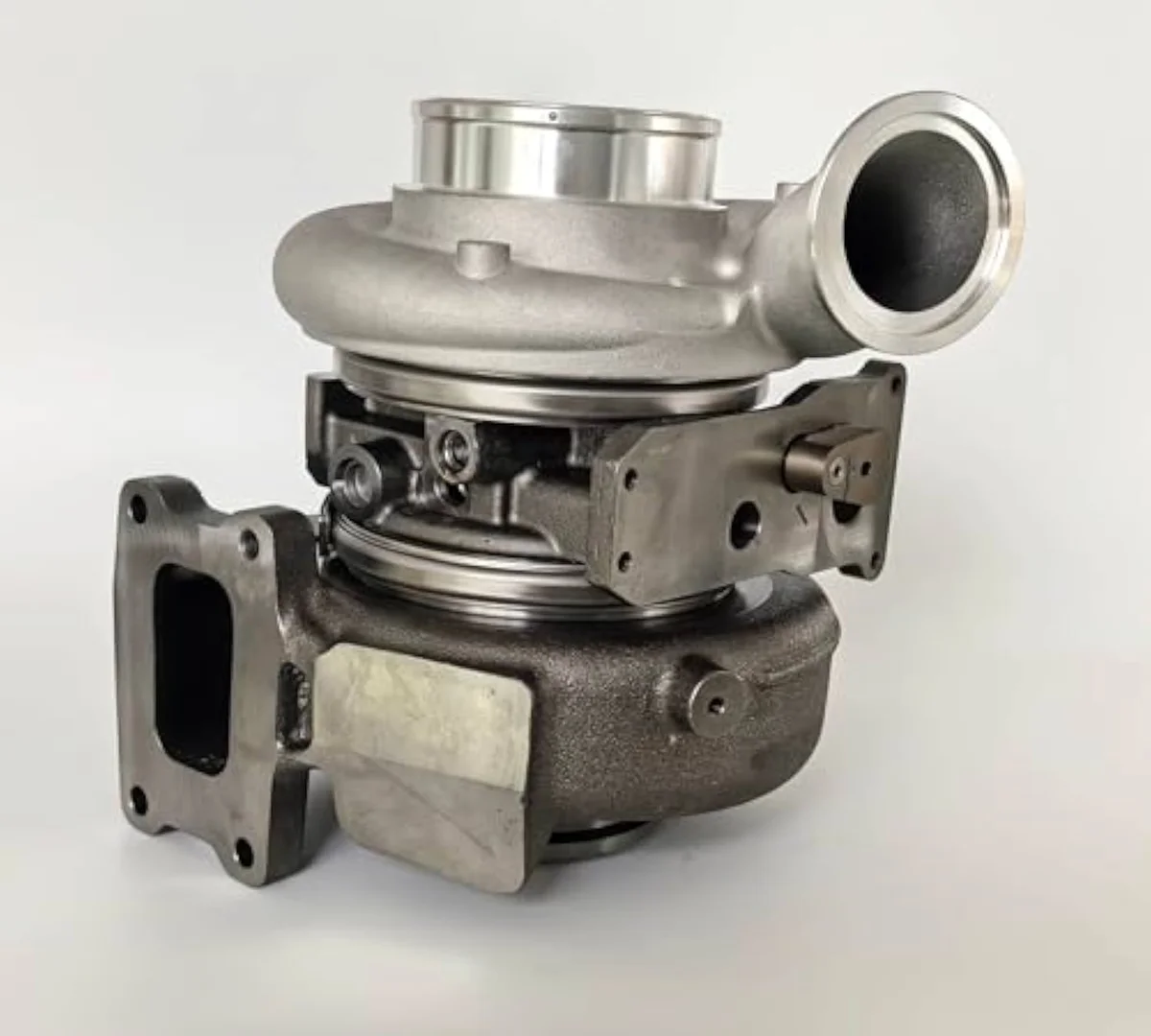
The Chevy Cruze 1.4L Garrett GT1446V factory turbo typically lasts 80,000-130,000 miles before the documented PCV-related failure pattern triggers. Service life traces to the GM crankcase-ventilation system rather than the turbo itself — without PCV valve replacement before turbo replacement, the new aftermarket unit fails on the same schedule as the OEM unit.
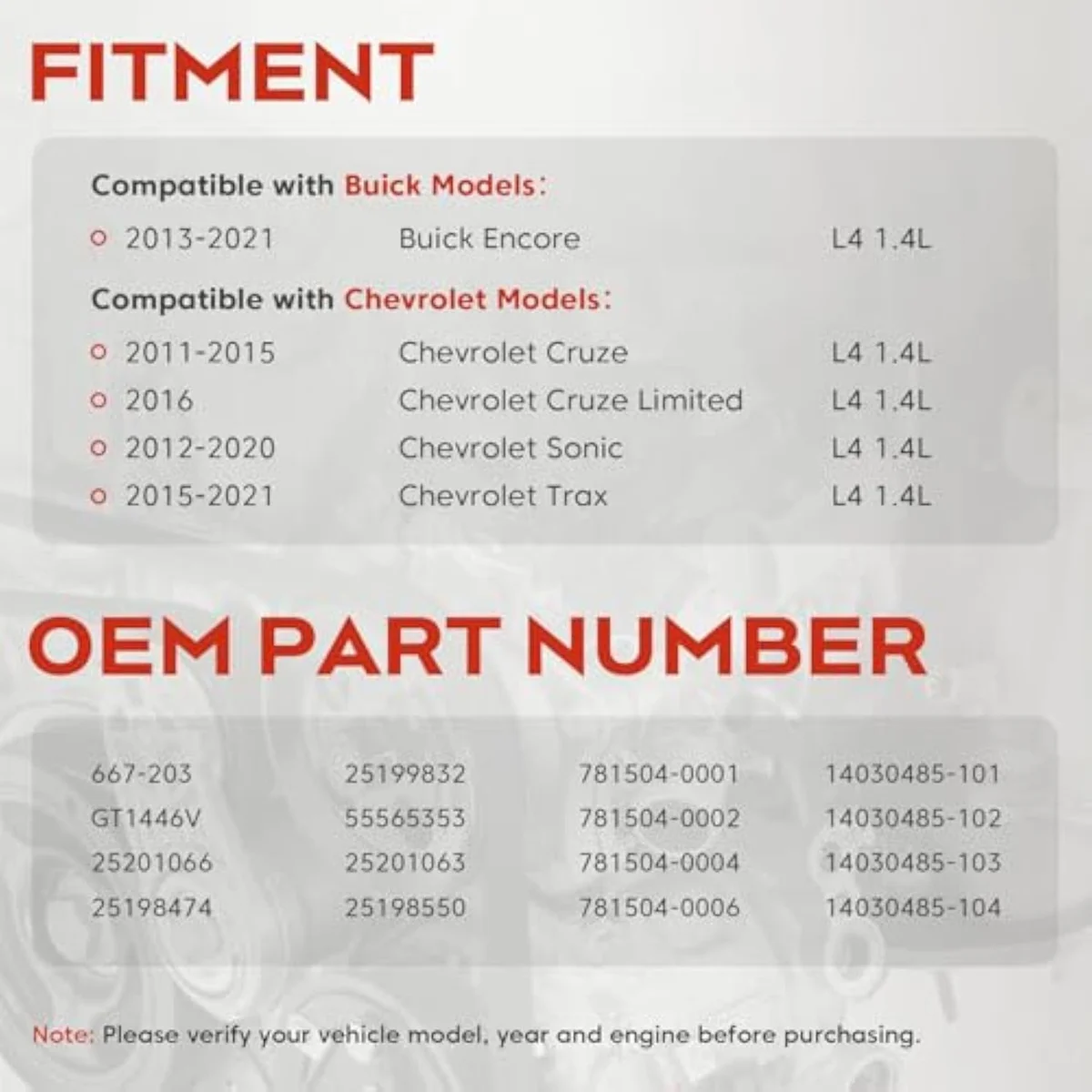
For the full Cluster A hub of 8 budget aftermarket cross-references competing on the OE 55565353 / 781504 / 667-203 / GT1446 chain, see the Read the Cruze 1.4L roundup — covers A-Premium, INGKAN, Filterup, AUTOBABA, Donpida, NEWZQ, Tekkoauto under one community-tested framework.
How long do Chevy Cruze turbos last?
Stock OEM Garrett GT1446V on Cruze 1.4L LUJ / LUV Ecotec: 80,000-130,000 miles typical service life. Budget aftermarket replacement (A-Premium, INGKAN, Filterup, AUTOBABA, Donpida, NEWZQ, Tekkoauto) with PCV fix done at install: 60,000-100,000 miles. Without PCV fix, budget aftermarket fails at 30,000-50,000 miles on the same root-cause schedule as the failed OEM unit on documented r/Cruze community signal data.
What size turbo is on a Chevy Cruze?
The Cruze 1.4L LUJ (2011-2015) and LUV (2016-2019) Ecotec use the Garrett GT1446V small-frame variable-vane turbocharger. Compressor wheel inducer 36mm, exducer 47mm, turbine wheel inducer 41mm, exducer 36mm. Peak boost typically 19-22 psi on stock OEM tune, scaling up to 24-26 psi on light aftermarket performance tunes when supporting fuel system upgrades are present.
Is it worth repairing a turbo?
Repair-vs-replace decision flips on the failure mode. Cartridge-CHRA rebuild ($300-$500) makes sense when housings stay intact but bearings worn. Complete-turbo replacement ($150-$300 aftermarket or $1,800-$2,400 dealer) makes sense when housings are cracked, contaminated, or compressor wheel destroyed. On Cruze 1.4L specifically, complete replacement is the documented community-default path because rebuild costs approach new aftermarket replacement costs.
What is the recall on the Chevy Cruze turbo?
GM issued recall N182158220 on 2016-2017 Cruze 1.4L addressing a turbocharger oil supply line that could rupture and leak engine oil onto the catalytic converter — a documented fire risk. The Cruze 1.4L turbo itself is NOT under recall for the broader 2011-2019 install base; the structural failure pattern (PCV root cause, 80,000-130,000 mile failure) is a documented design-life issue rather than a recall-eligible defect under NHTSA standards.
How much does it cost to replace a turbo on a Chevy Cruze?
Dealer Garrett GT1446V replacement: $1,800-$2,400 typical on the 2011-2019 Cruze 1.4L install base. Budget aftermarket Amazon cross-references (A-Premium, INGKAN, Filterup, AUTOBABA, Donpida, NEWZQ, Tekkoauto): $150-$300 with 1-year warranty. Add shop labor at $400-$700 plus PCV valve replacement at $40-$80 to reach $600-$1,000 total cost on a budget aftermarket repair versus $2,400+ at the dealer.
PCV Root Cause — The Structural Cruze 1.4L Failure Pattern
The Cruze 1.4L LUJ / LUV PCV system is the documented Achilles heel of the GM 1.4L Ecotec platform. The factory PCV valve allows excessive crankcase pressure to push oil mist into the intake stream; the abrasive oil erodes the compressor wheel at supersonic tip speeds. Without PCV replacement BEFORE turbo replacement, the new turbo dies at 80,000-130,000 miles on the same schedule as the OEM unit.
The PCV-fix discipline at install time turns a $250 budget aftermarket turbo into a 100,000-mile-plus service-life part instead of a 30,000-50,000-mile disposable consumable. The structural cost: $40-$80 in PCV valve + valve cover gasket parts plus 30-60 minutes of additional shop labor at install time. The structural payoff: roughly 2-3× longer service life on a budget aftermarket unit.
Per the A-Premium Complete turbo kit review, the documented community-tested install sequence on the Cruze 1.4L install base orders the PCV valve replacement FIRST, verifies the PCV system holds vacuum, then installs the new turbo. Without this sequence, the depreciation-adjusted spend math collapses because the new turbo fails on the same 80,000-130,000 mile root-cause schedule.
Cruze 1.4L Generation Coverage Across Aftermarket
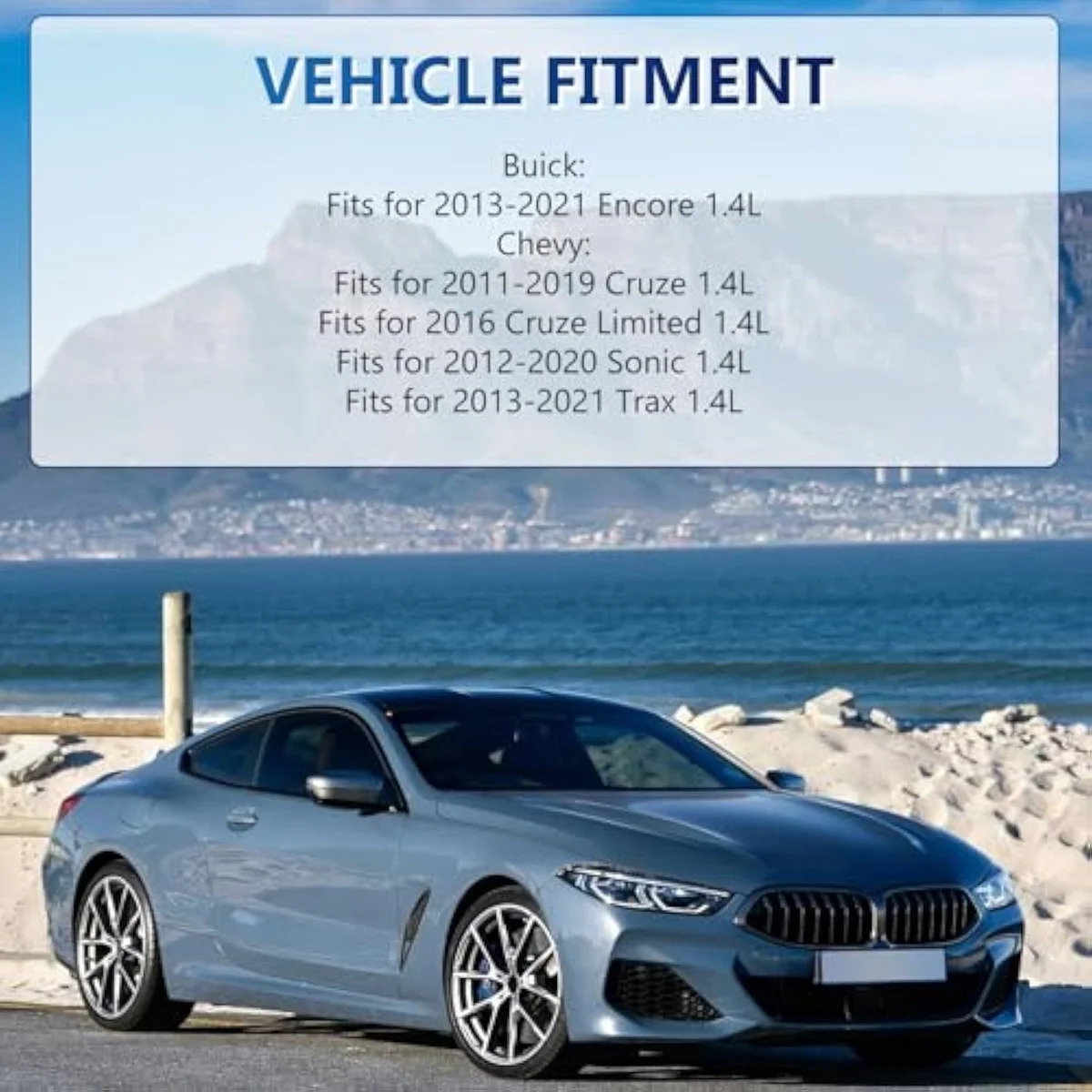
The Cruze 1.4L install base spans the LUJ engine code (2011-2015) and the LUV engine code (2016-2019). The factory Garrett GT1446V is the OEM application across both generations, with calibration variations between engine years. Aftermarket cross-references cover both generations with varying fitment-envelope precision depending on the listing's OE cross-reference depth.
Per the INGKAN 55565353 review, the explicit fitment envelope extends through 2019 Cruze where A-Premium Complete fences at 2015 and AUTOBABA fences at 2015 plus 2016 Limited transitional model. For 2016-2019 Cruze owners specifically, the INGKAN cross-reference is the structurally right pick on documented fitment-envelope coverage. For 2011-2015 owners, A-Premium Complete is the documented community-default with the broadest install-completeness inventory.
Failure-Symptom Progression Timeline
The Cruze 1.4L turbo failure progression typically presents in four stages: stage 1 (oil consumption uptick at 60,000-80,000 miles), stage 2 (intermittent under-boost at 80,000-100,000 miles with first P0299 codes), stage 3 (continuous P0299 with limp mode at 100,000-120,000 miles), and stage 4 (audible bearing failure or compressor wheel destruction at 120,000-150,000 miles or under-load failure events).
Buyers catching the failure at stage 1-2 can address the PCV root cause first, potentially extending OEM Garrett service life by 30,000-50,000 additional miles before turbo replacement becomes mandatory. Buyers catching the failure at stage 3-4 face mandatory turbo replacement plus the PCV fix; skipping the PCV fix at this stage routinely means the new aftermarket turbo dies on the same schedule as the failed OEM unit within 30,000-50,000 miles.
Documented Reddit r/Cruze and CruzeTalk forum data shows the median failure mileage clustered at 100,000-120,000 miles, with a documented tail extending from 60,000 miles (unfavorable PCV maintenance history) to 180,000 miles (favorable PCV maintenance plus light-duty driving cycle). Highway-dominant duty cycles routinely outlast city-stop-and-go cycles by 20,000-40,000 miles because sustained-load cruising heats the PCV system enough to keep oil mist atomized rather than condensing on intake surfaces.
For owner-operators tracking documented preventive-maintenance discipline across the 2011-2019 install base, the structural extension path: replace PCV valve at 50,000-70,000 miles preventively, run extended-life full synthetic oil at 5,000-7,000 mile intervals, monitor crankcase pressure with an inexpensive vacuum gauge if available, and address any P0299 codes within 1,000-2,000 miles of first appearance rather than ignoring the warning until limp mode triggers.
Cruze 1.4L Service-Life Authority Context
Authority sources on Cruze 1.4L service life cross-reference back to the GM Service Parts Operation specifications and documented Reddit r/Cruze, CruzeTalk forum, and r/AskMechanics community signal data. The documented 80,000-130,000 mile factory-Garrett service life is the structural design-life benchmark; aftermarket cross-references typically reach 50-70% of OEM cohort service life when PCV maintenance is done at install time.
Per the Wikipedia turbocharger reference, the Garrett GT1446V is the OEM small-frame variable-vane application on the GM 1.4L Ecotec platform. The Garrett Motion technical library publishes the GT1446V OE specifications and compressor maps that anchor the design-life benchmark. The Turbo University reference publishes industrial-tier balance-and-test discipline applicable to small-frame rebuilds. The Turbocharger Rebuilding Distribution catalog publishes OE manifest cross-references for the 55565353 / 781504 / 667-203 chain that the entire Cluster A aftermarket replacement segment competes on.
For the Filterup 667-203 specifically, with the longest documented OE cross-reference list on the cluster (including GM-internal alternate stamps 25201066, 25198474, and 25199832 not explicitly named by A-Premium Complete), the Filterup 667-203 review covers the cross-shop position against A-Premium and INGKAN on the same install base. For the broader Cluster A roundup context, the Cruze 1.4L roundup covers all 8 budget aftermarket cross-references competing on the same OE chain.
Get Product Updates
Updates only when something changes.
Only when something changes. Unsubscribe anytime.